Get in Touch
Contact Us

John Wilkerson, P.E.
Director, Digital Delivery


The use of digital technology in the design, delivery and construction of engineering projects is rapidly evolving. Many federal and state agencies are recognizing the benefits of the tools in improving the way projects are managed and delivered.
Michael Baker’s team of technology experts has been a leader in providing digital support services. We apply our knowledge and experience to assist departments of transportation (DOTs) and other clients nationwide in implementing a range of digital solutions, including 3D design, software standardization and workflow optimization, planning and delivering digital pilot projects, and implementing targeted training.
Our expertise extends to all areas of the digital landscape. From engineered models to digital delivery and beyond, we are helping clients implement new technology tools that promote collaboration and efficiency throughout the project life cycle.
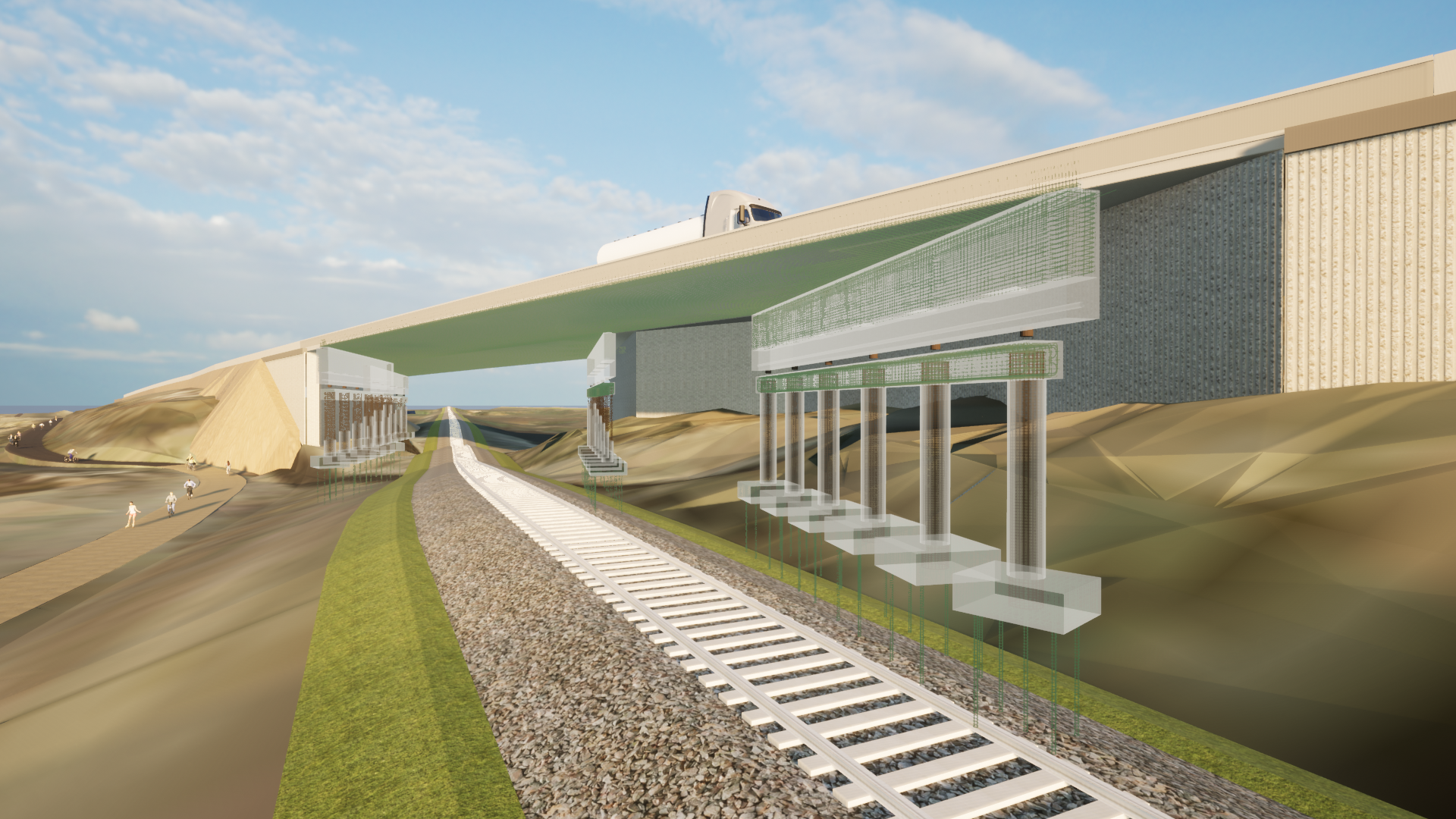
Digital delivery incorporates the data from engineered models into contract documents that are used directly in construction.
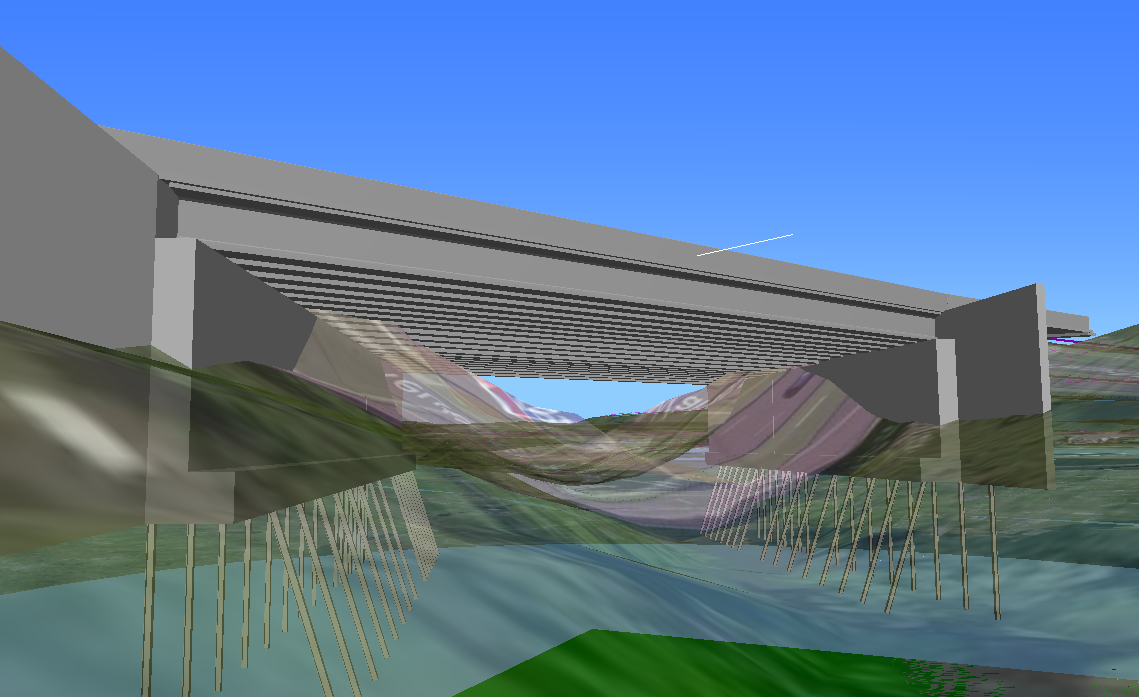
Engineered modeling, often combined with the related topic of Building Information Modeling (BIM), is the development of accurate, multidisciplinary 3D models that add value by leveraging mature technology to promote quality, collaboration and efficiency.
Exciting opportunities now exist for digital twin use in asset management.
Integration of industry and organizational standards for individualized workflows and documentation.
Workspace customization is a key foundational step for successful utilization of this technology.
Get in Touch
John Wilkerson, P.E.
Director, Digital Delivery