Get in Touch
Contact Us

Joe Bartorelli, CP, GISP
Vice President, Engineering & Design Technology


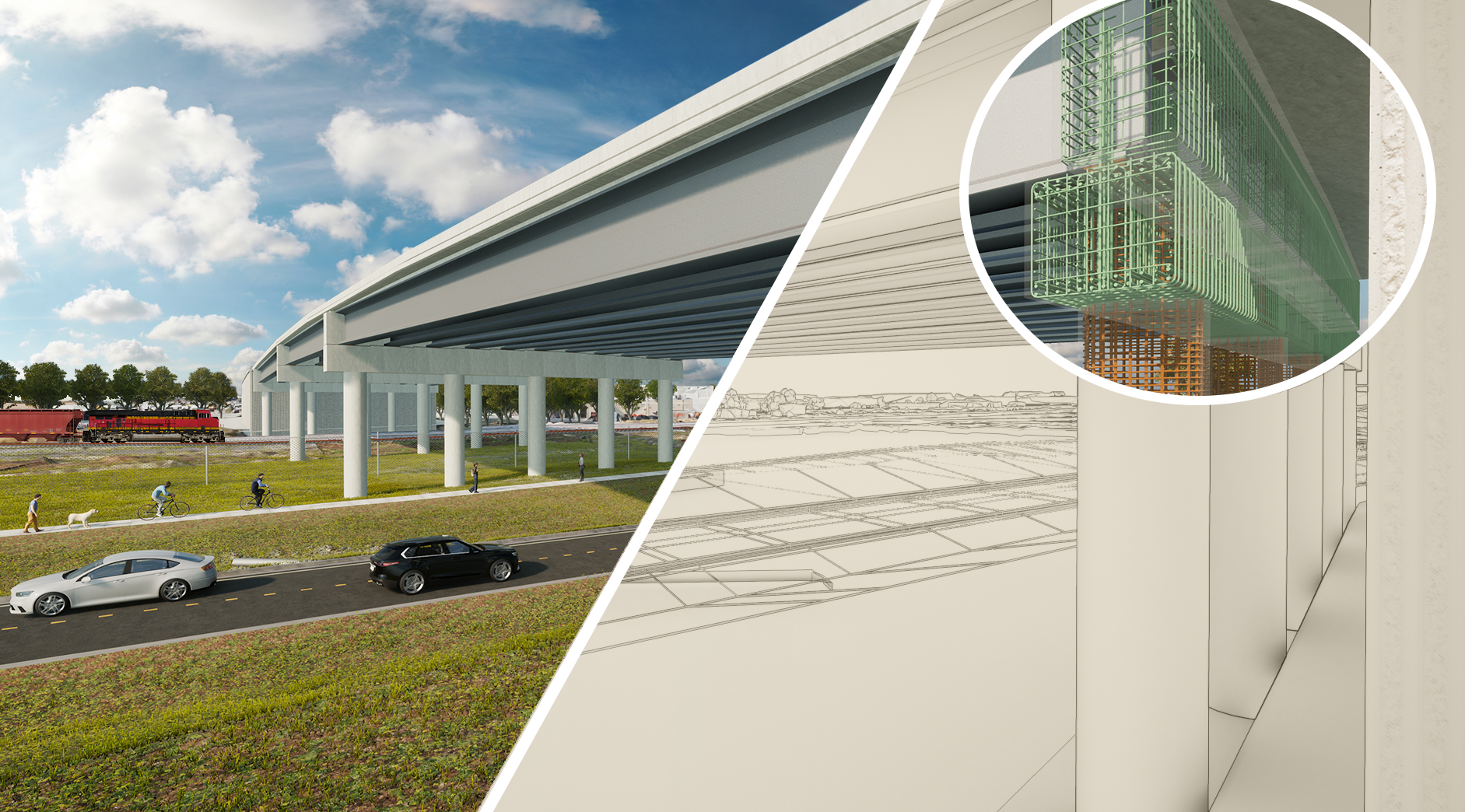
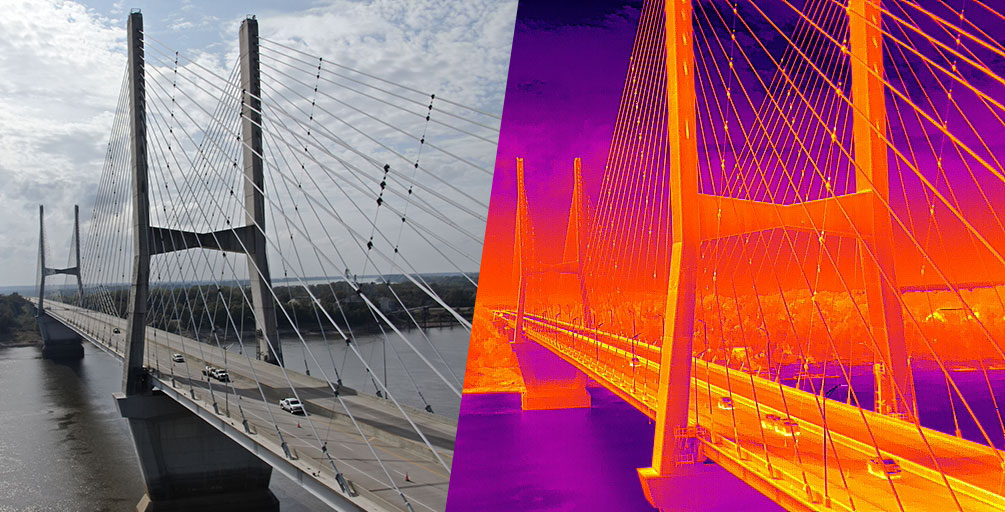
At Michael Baker International, we harness the power of digital twins to revolutionize the management, optimization and resilience of both horizontal and vertical infrastructure. Our digital twin services create virtual replicas of physical assets—integrating real-time data, advanced analytics and immersive visualization—to empower clients with actionable insights throughout the asset life cycle.
Our digital twin solutions for Departments of Transportation (DOTs) provide a single, visual interface to aggregate and analyze infrastructure data. This enables agencies to:
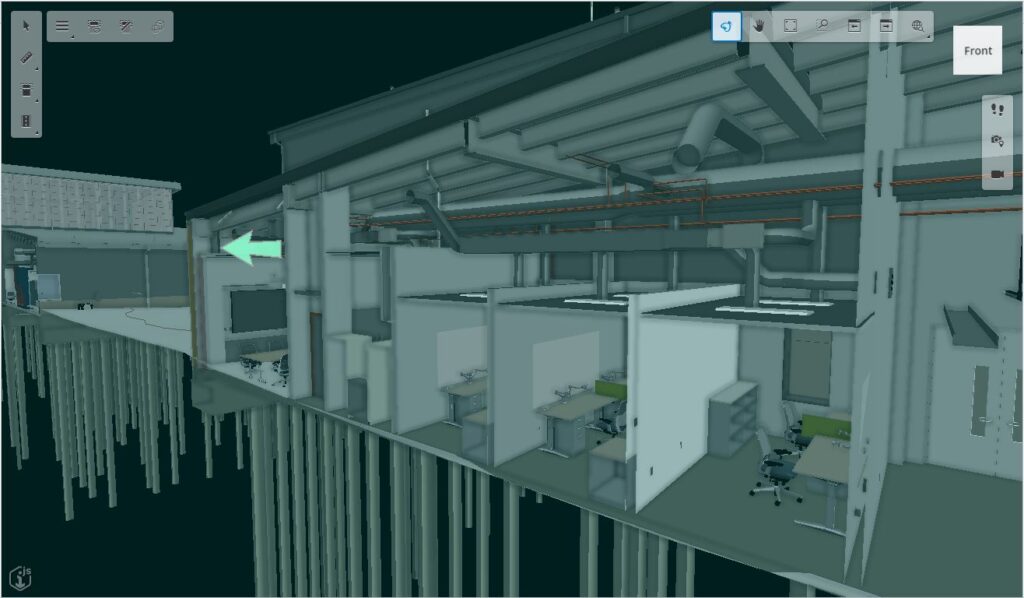
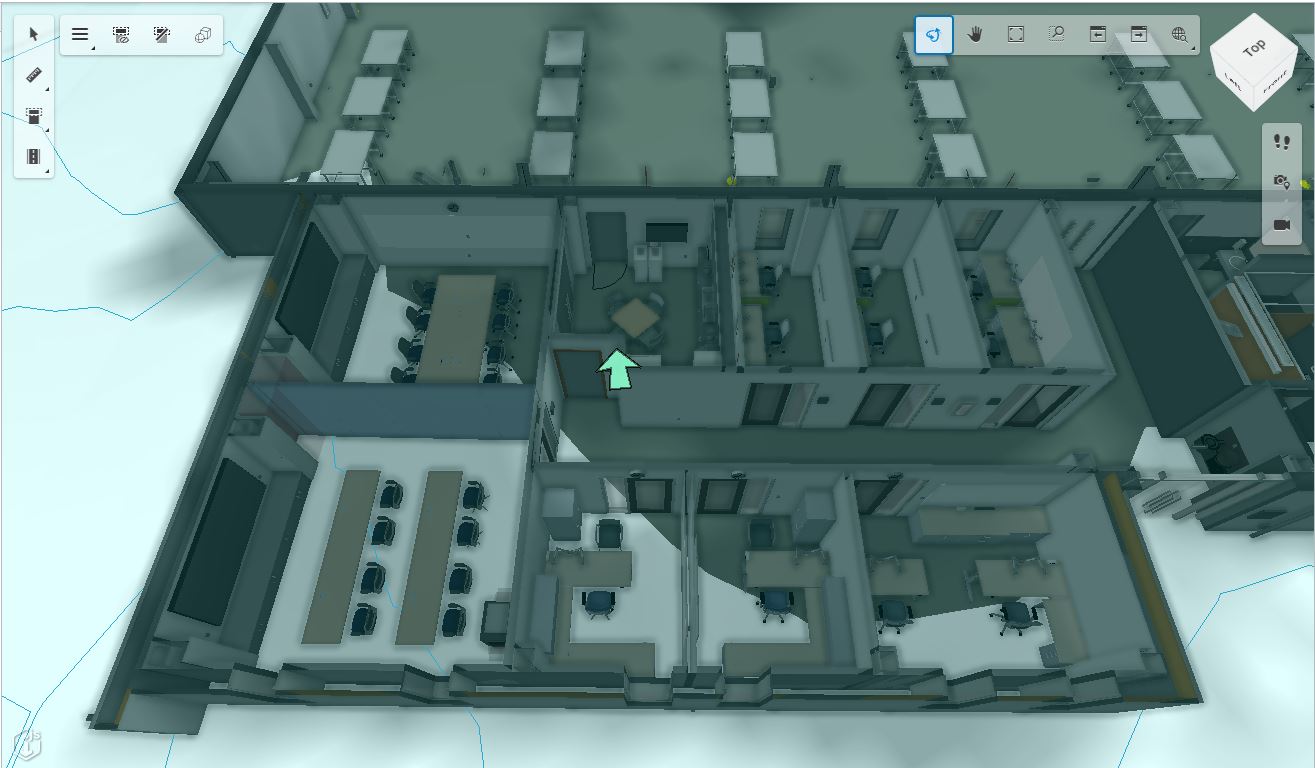
Michael Baker’s digital twin offerings for buildings are transforming the built environment by integrating all technologies, systems, equipment and sensors into a cohesive, real-time platform. Our solutions help clients:
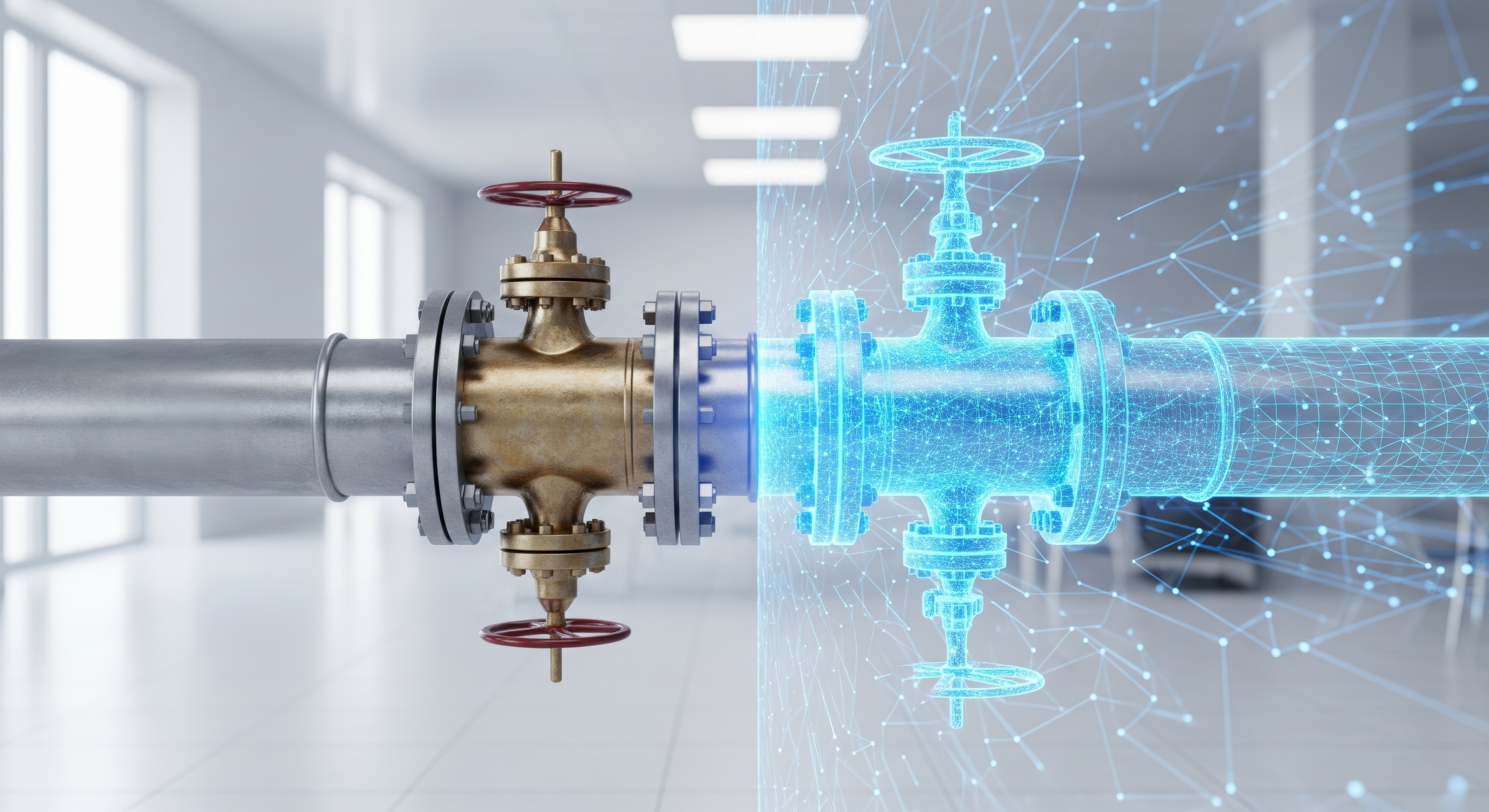
Michael Baker brings together deep domain expertise in water infrastructure with cutting-edge digital twin capabilities. Our teams integrate engineering, operations and sensor data to create dynamic, virtual models of real-world assets, from pump stations to levees. Our solutions help clients:
Get in Touch
Joe Bartorelli, CP, GISP
Vice President, Engineering & Design Technology