
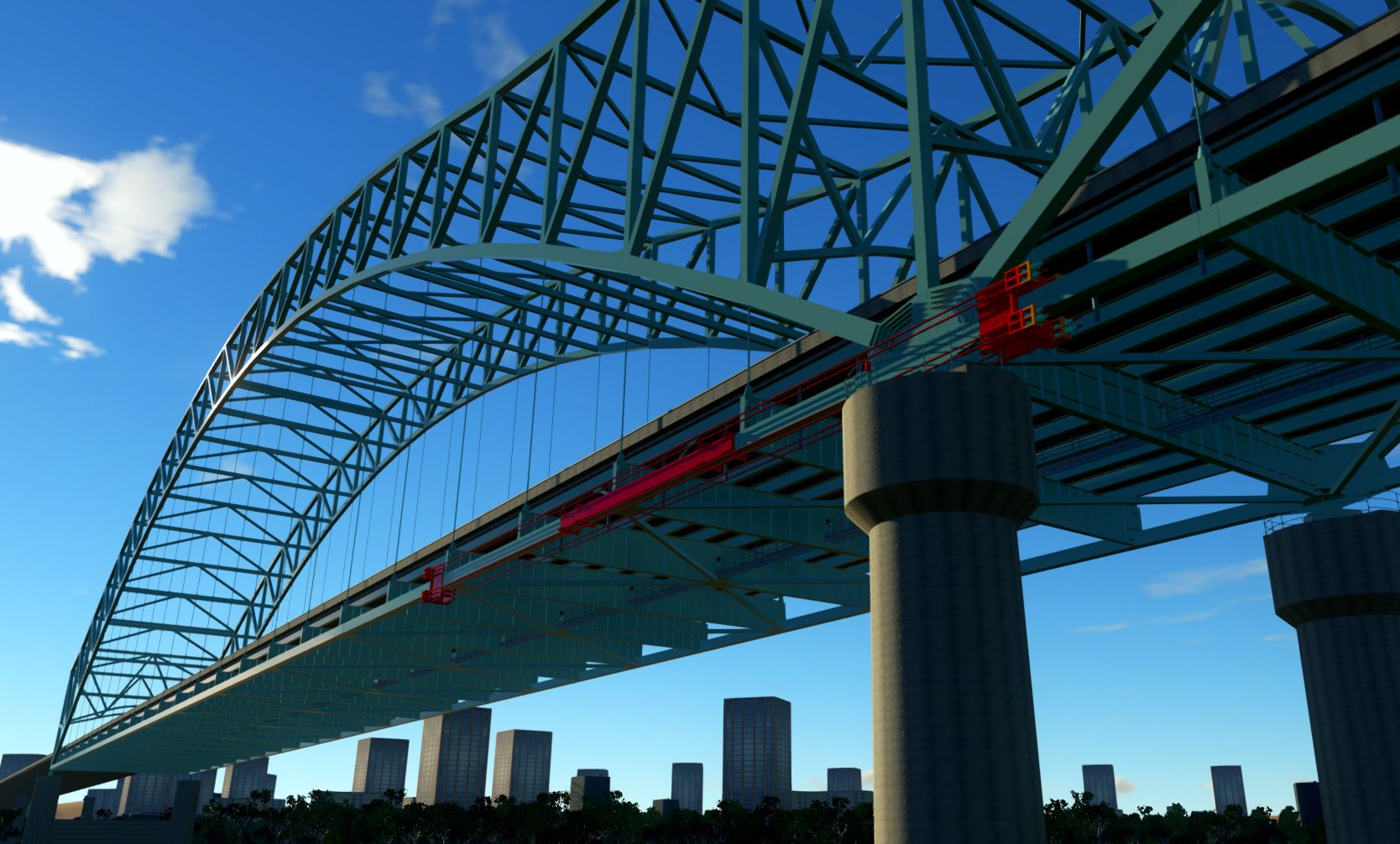
National Leadership. Proven Innovation. First-of-Its-Kind Experience.
Michael Baker is helping lead the digital transformation of the transportation industry. Our BIM for Infrastructure team has partnered with transportation agencies across the country to implement some of the nation’s earliest and most advanced digital delivery initiatives. Through our involvement with the BIM for Infrastructure Pooled Fund and extensive experience applying Federal Highway Administration guidance, we bring a deep understanding of emerging technologies, data standards, and digital delivery workflows.
As an industry innovator, Michael Baker has delivered several first-of-their-kind projects and programs that have helped shape the future of digital project delivery in the United States. Our team combines technical expertise with practical implementation experience, advancing digital delivery at both the project and enterprise levels.
From pioneering model-based delivery to defining national standards for data interoperability, Michael Baker continues to help transportation agencies modernize project delivery, improve asset management, and accelerate the adoption of digital infrastructure practices.
The Pennsylvania Department of Transportation’s SR 6 project is the nation’s first transportation project contractually delivered as open data through AASHTO’s Bridge Information Delivery Manual (IDM), leveraging Industry Foundation Classes (IFC) to enable interoperable digital delivery.
Notable Accomplishments
- Delivery of the nation’s first fully paperless Digital Delivery Model as the Legal Document (MALD) project – UDOT SR-209
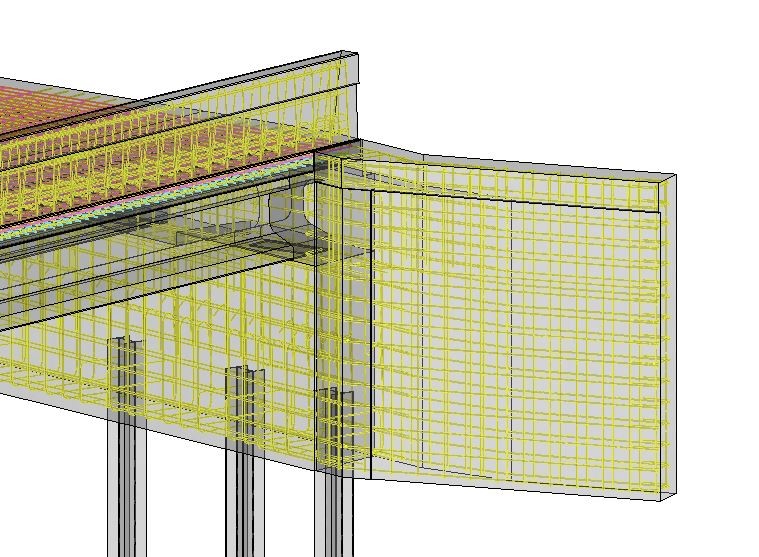
- Delivery of the nation’s first structures MALD project – UDOT SR-172
- Delivery of the nation’s first DOT-delivered IFC-based Digital Delivery project – PennDOT SR-6
- Development and implementation of the nation’s first statewide DOT Digital Delivery Program – UDOT
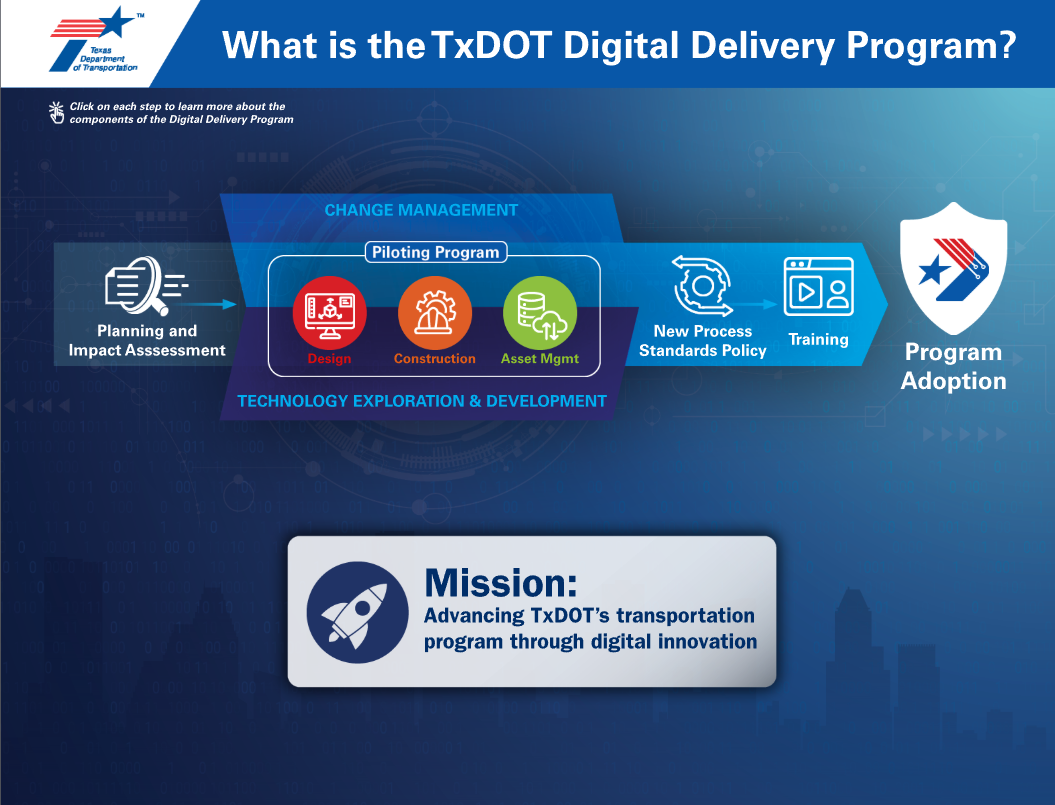
- Development and ongoing support of the nation’s largest DOT Digital Delivery Program – TxDOT
- Leadership in developing national open-data standards for transportation assets, including design, construction, and Digital As-Builts through the BIM for Infrastructure Pooled Fund (TPF-5(480))
Related Services
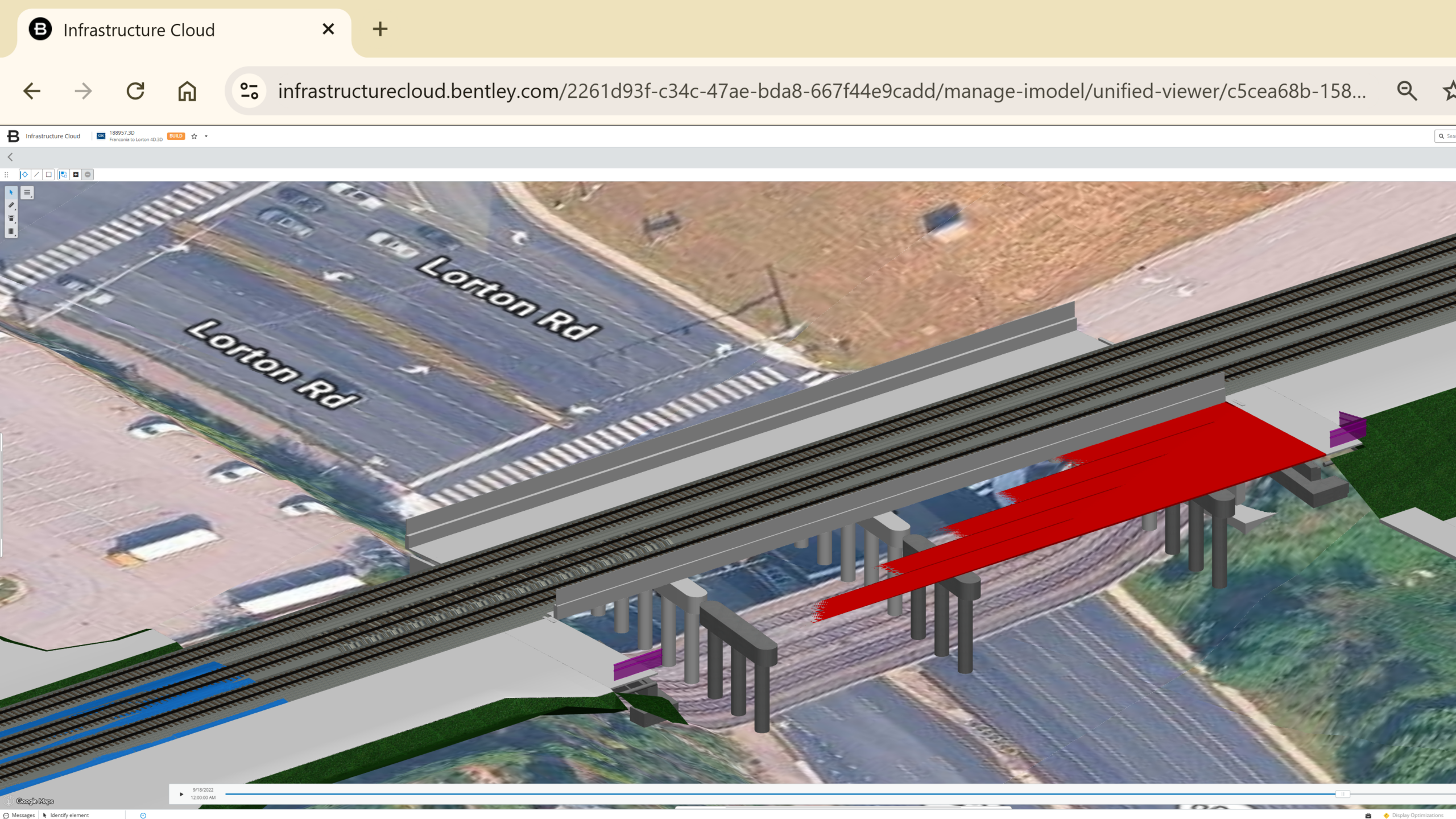
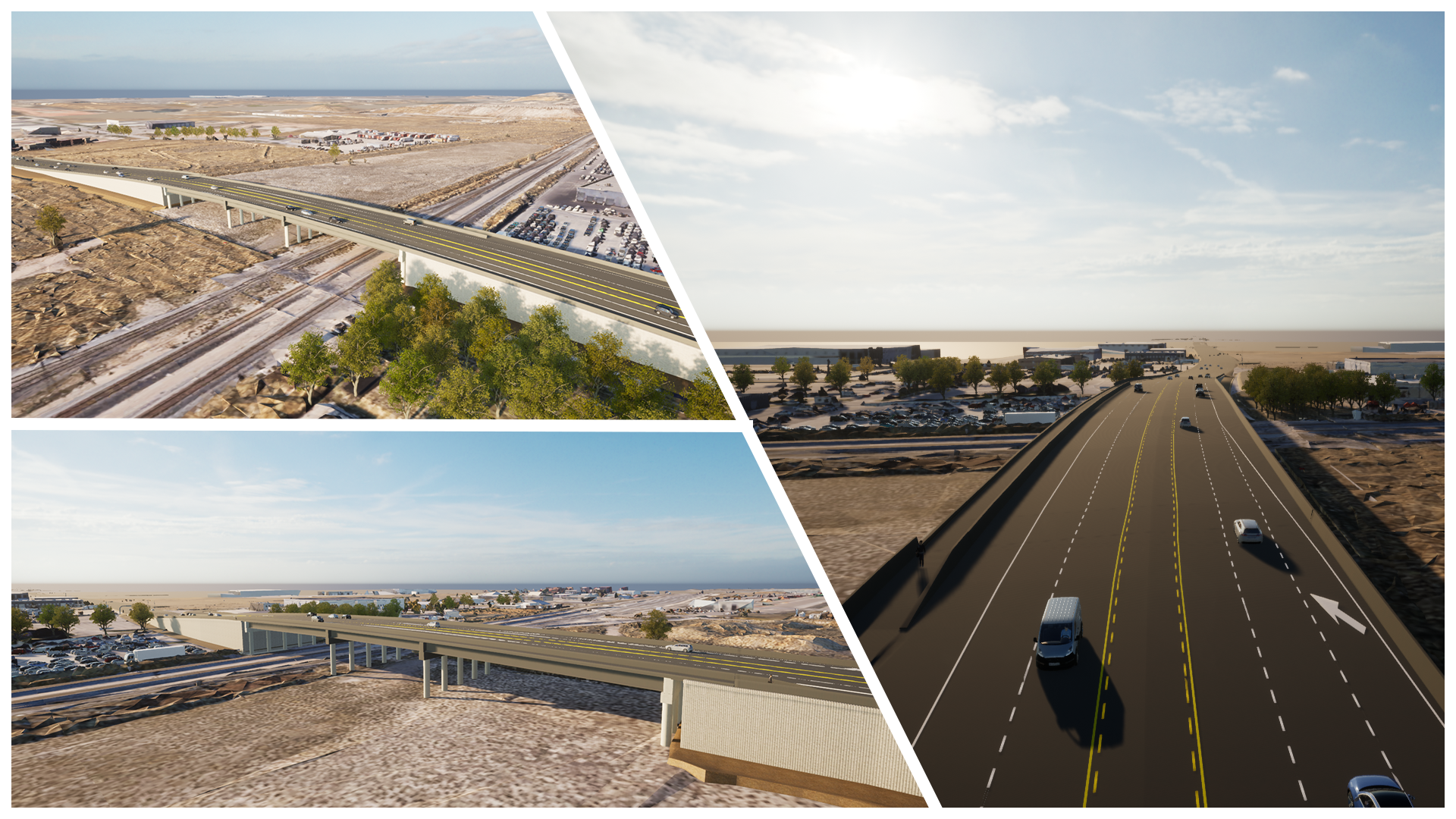
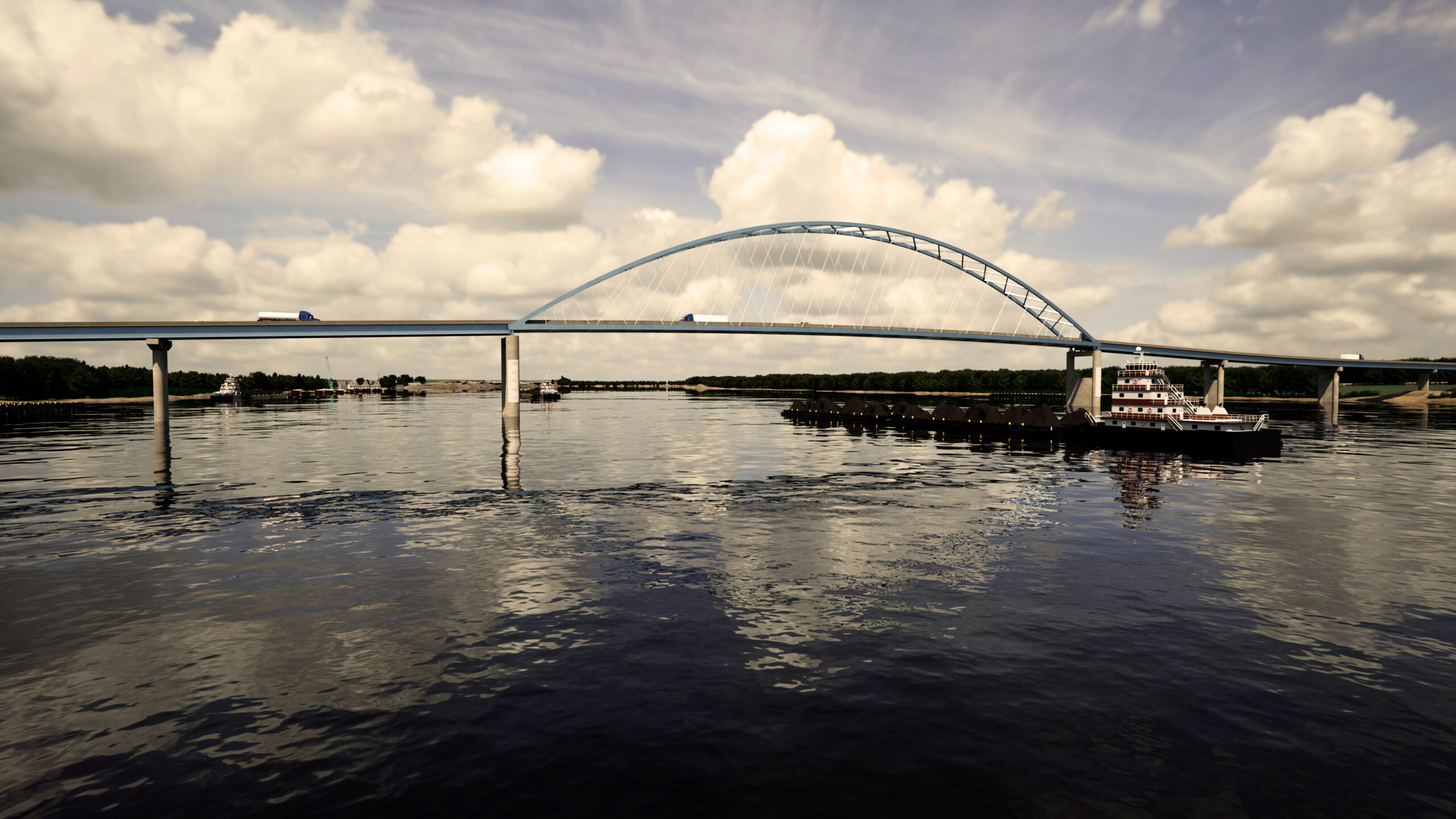
- 3D, 4D & 5D Modeling, Animation & Rendering
- Augmented & Virtual Reality
- Custom Training & Material Development
- Digital Delivery
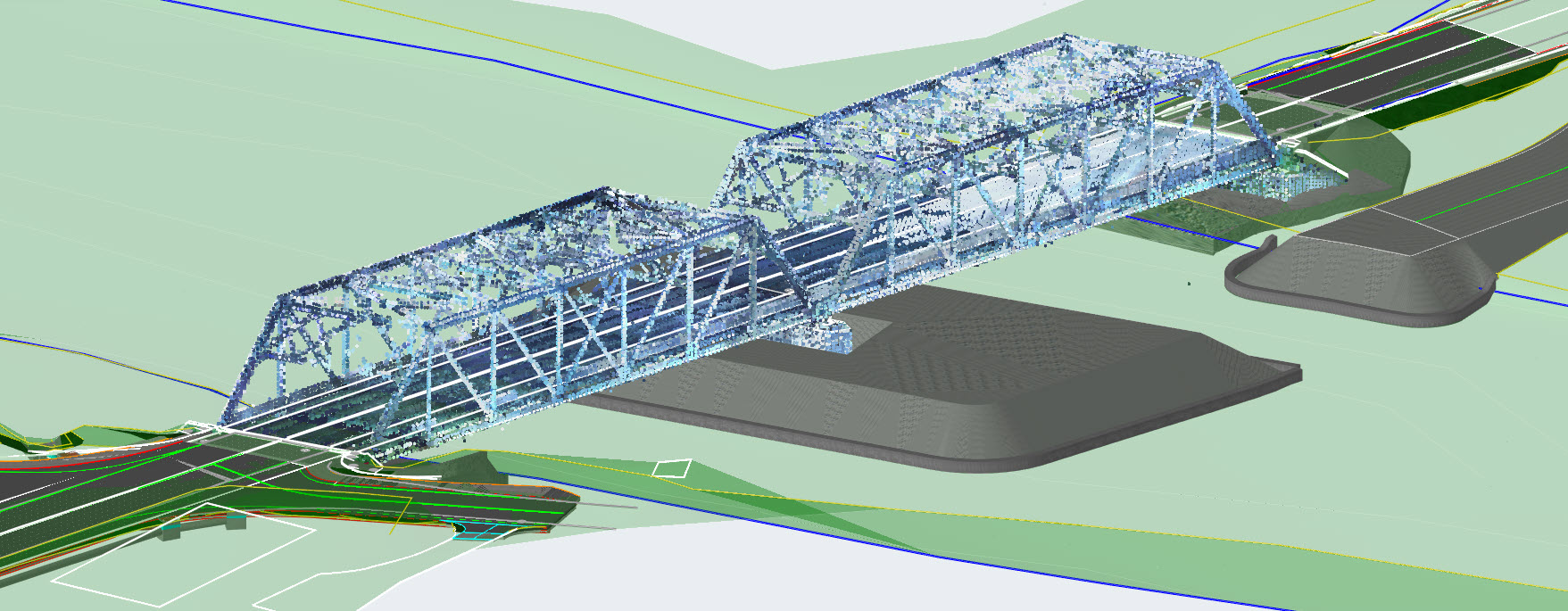
- Integration of LiDAR & Unmanned Aircraft Systems (UAS) Products into Federated Models
- Models as the Contract Document
- Model Development & Review Processes
- Model Implementation & Project Integration
- Procedures for Design & Construction Planning
- Robust Digital QA/QC Process
- Workspace Development & Adapted Workflows
Key Components of BIM for Infrastructure
Digital Delivery
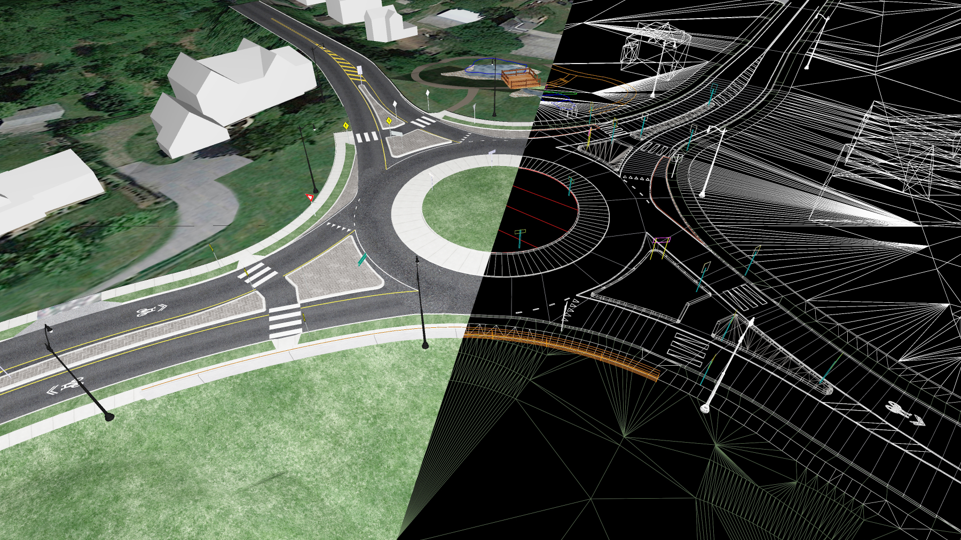
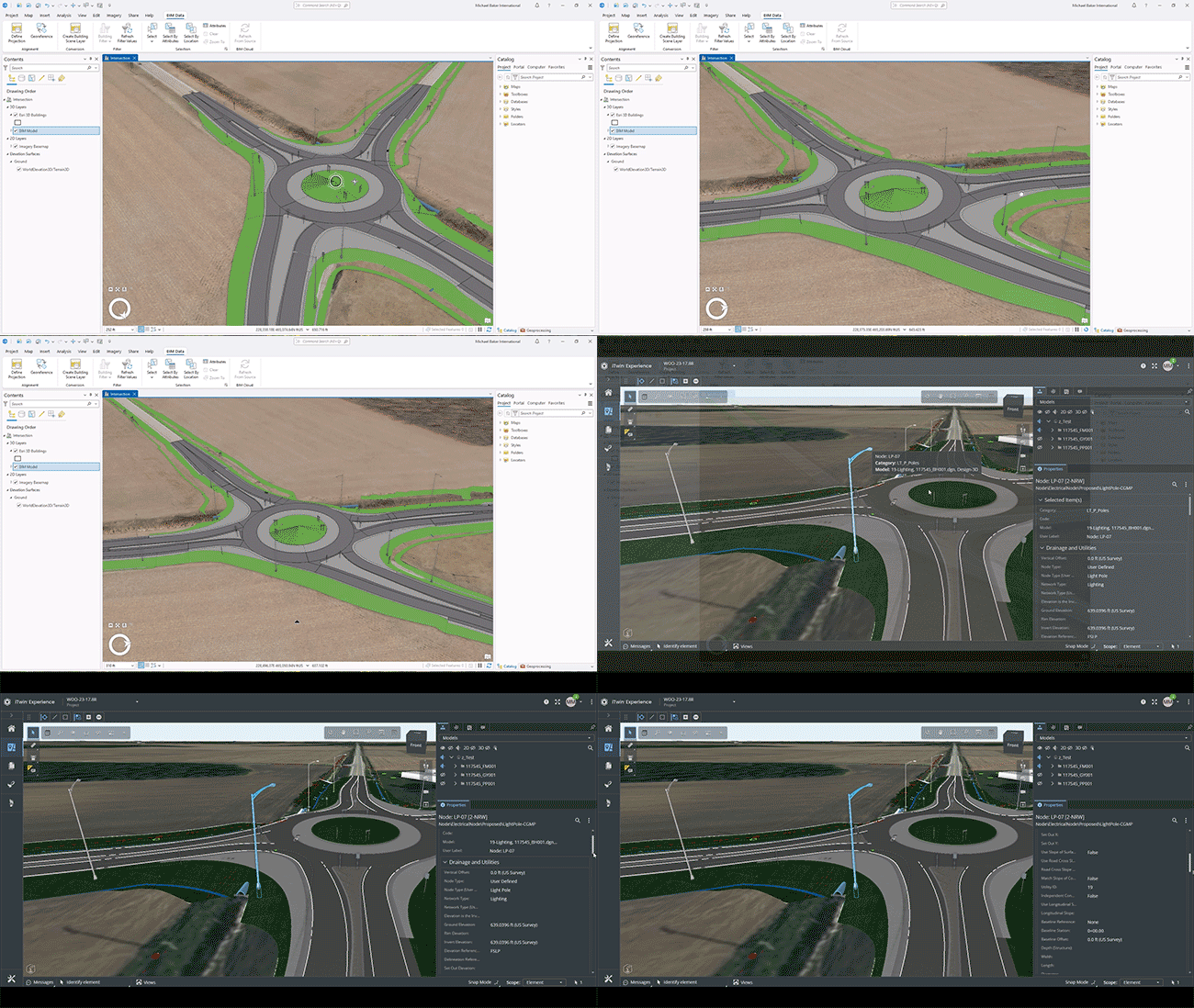
Digital delivery incorporates the data from engineered models into contract documents that are used directly in construction.
Engineered Models
Engineered modeling, often combined with the related topic of Building Information Modeling (BIM), is the development of accurate, multidisciplinary 3D models that add value by leveraging mature technology to promote quality, collaboration and efficiency.
Operations and Maintenance
Exciting opportunities now exist for digital twin use in asset management. Structural inspection data can be attached to digital twins to provide ongoing issue tracking and locating of observed conditions that impact structural ratings. Correspondingly, maintenance priorities can also be established and tracked more efficiently.
Digital Standards
Integration of industry and organizational standards for individualized workflows and documentation.
Model Workspace
Workspace customization is a key foundational step for successful utilization of this technology.
Get in Touch
Contact Us

John Wilkerson, P.E.
Director, Digital Delivery