Get in Touch
Contact Us
Kevin Spangler, P.E.
Engineering Lead, Fire Protection
Josh Sprowls, P.E., S.E., PMP
Practice Executive, Engineering


Our Special Hazards services help clients protect high-risk environments through specialized fire protection and life safety solutions for lithium-ion battery facilities, hazardous materials operations, flammable commodity storage, warehouses, and industrial processes. Leveraging advanced fire engineering, risk analysis, code expertise, and performance-based design, we develop practical, compliant strategies that reduce risk, support business continuity, and safeguard critical assets in some of the most challenging operating environments.
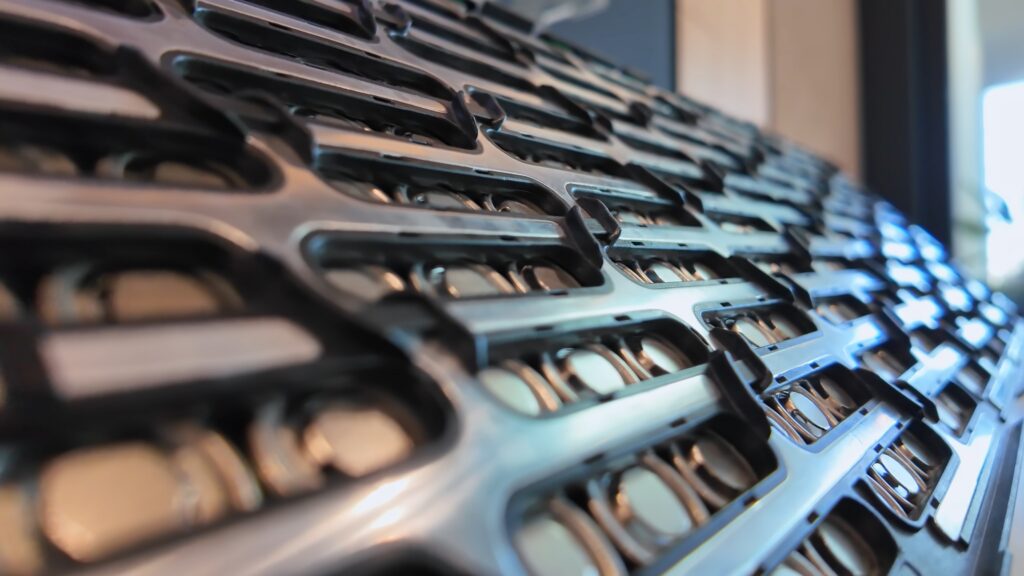
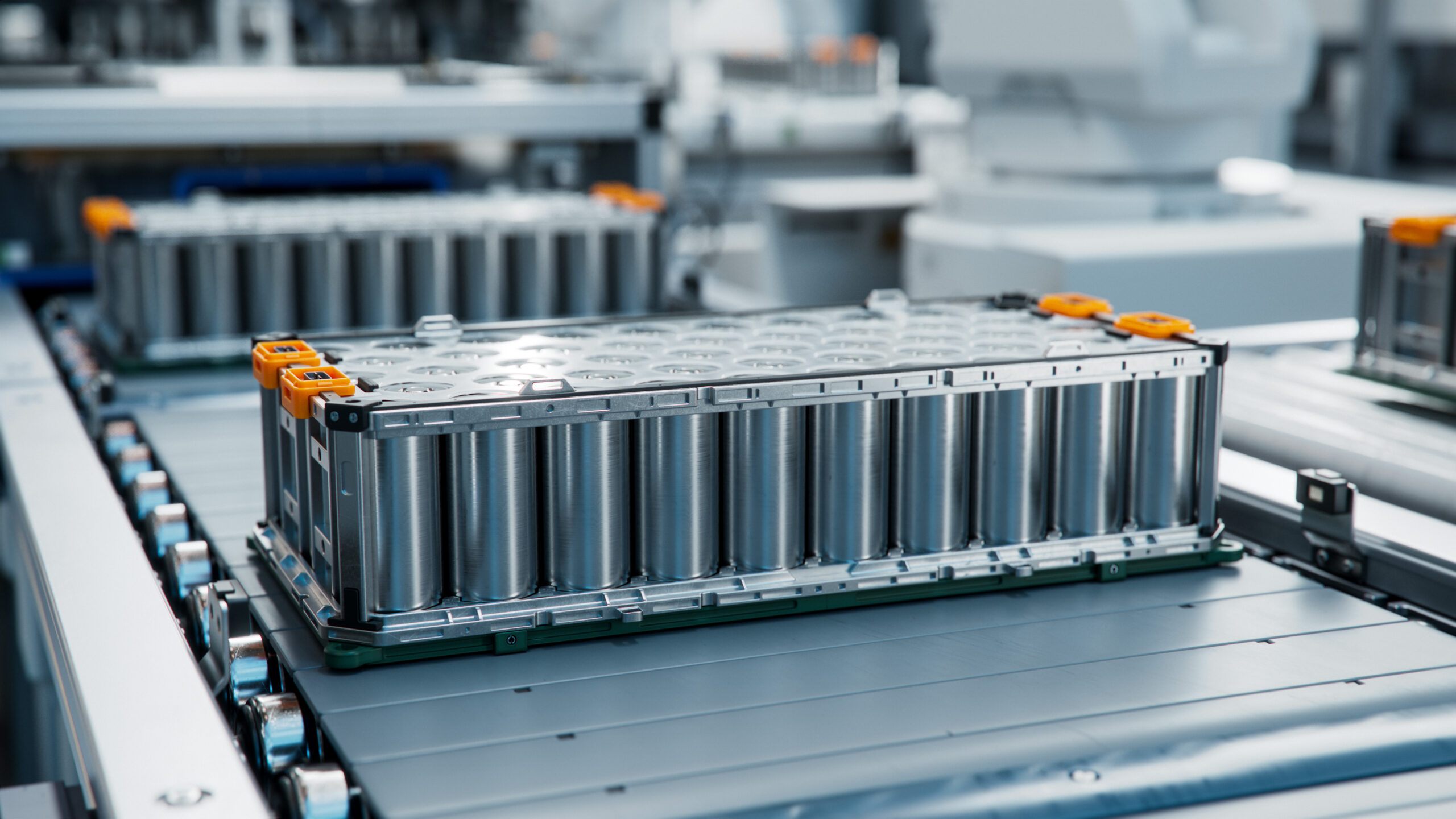
As lithium-ion technologies continue to transform the energy and transportation sectors, Michael Baker offers NFPA-compliant solutions for battery storage and charging facilities, specializing in fire suppression strategies for thermal runaway events, gas detection, explosion mitigation, and water-based suppression system design. Our team understands the unique risks associated with lithium-ion battery applications and develops resilient protection strategies designed to enhance operational safety and reliability.
Our team develops tailored life-safety strategies for facilities and operations that use lithium-ion battery technology across energy, utilities, manufacturing, transportation, logistics, and storage sectors.
Using performance-based engineering methods and advanced modeling tools, we evaluate lithium-ion battery risks such as thermal runaway, gas release, fire spread, operational constraints, and potential impacts on people, property, and business continuity. We collaborate with project stakeholders to define risk levels, compare mitigation options, and support practical decisions that balance safety, reliability, and cost.
Our approach goes beyond standard fire protection design by assessing credible fire and gas-release scenarios, including UL testing data, reviewing material flammability, and aligning solutions with applicable codes, standards, and local requirements.
From early planning through final implementation, we integrate detection, suppression, ventilation, and explosion-control considerations into coordinated fire protection strategies that are feasible, practical, and aligned with each client’s goals, and bring in early involvement of the local AHJ.
Our specialists are experts in analyzing thermal runaway conditions. We estimate gas composition and concentration and apply computational fluid dynamics modeling to design appropriate explosion-control measures, including deflagration venting and related safeguards based on NFPA 68 and/or NFPA 69 compliance.
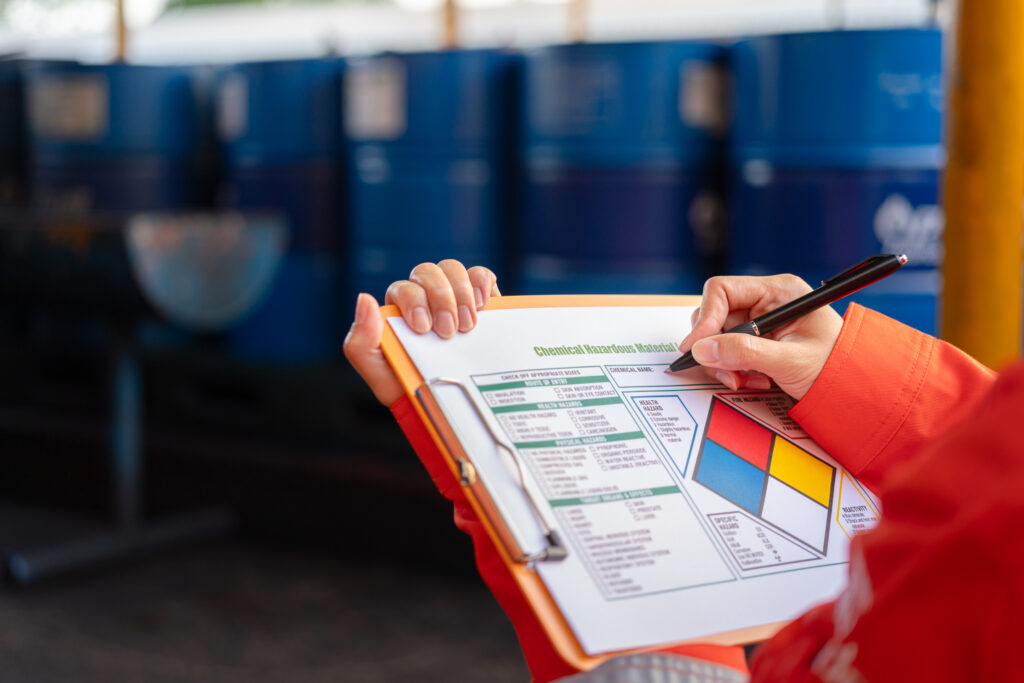
Hazardous materials facilities and operations require careful evaluation of material hazards, inventory quantities, storage and use conditions, fire protection features, and applicable code requirements to reduce risks to life safety, property, and continuity of operations. Michael Baker provides fire protection engineering support for projects involving hazardous materials, helping owners and project teams develop practical, code-compliant protection strategies for new construction, facility modifications, process changes, and existing operations.
Our engineers assess the factors that influence fire and life safety performance in hazardous materials environments, including hazard classification, maximum allowable quantities (MAQs), control areas, occupancy considerations, storage and use arrangements, incompatibility and separation requirements, spill control, secondary containment, ventilation, gas detection, explosion control, and suppression strategy. We work closely with owners, architects, process engineers, and other stakeholders to identify applicable requirements under the IBC, IFC, NFPA standards, FM Global criteria, and other project-specific requirements. This coordination helps align fire protection design with operational needs, facility constraints, and regulatory expectations early in the project.
Our services support the planning, design, and evaluation of hazardous material storage rooms, control areas, laboratories, utility spaces, industrial process areas, and other specialized environments where hazardous materials are present. Evaluations may include code compliance reviews, hazardous materials inventory assessments, MAQ and control area analyses, fire and gas detection criteria, ventilation and suppression considerations, water supply evaluations, and technical documentation to support permitting and AHJ coordination. For existing facilities, we assess current conditions, identify code gaps or changes in hazard, and recommend practical improvements that enhance safety and support continued operations.
By combining code knowledge, fire protection engineering analysis, and an understanding of industrial and facility operations, we help clients develop hazardous materials solutions that reduce risk, improve regulatory coordination, and support safe, reliable, and efficient facility performance.
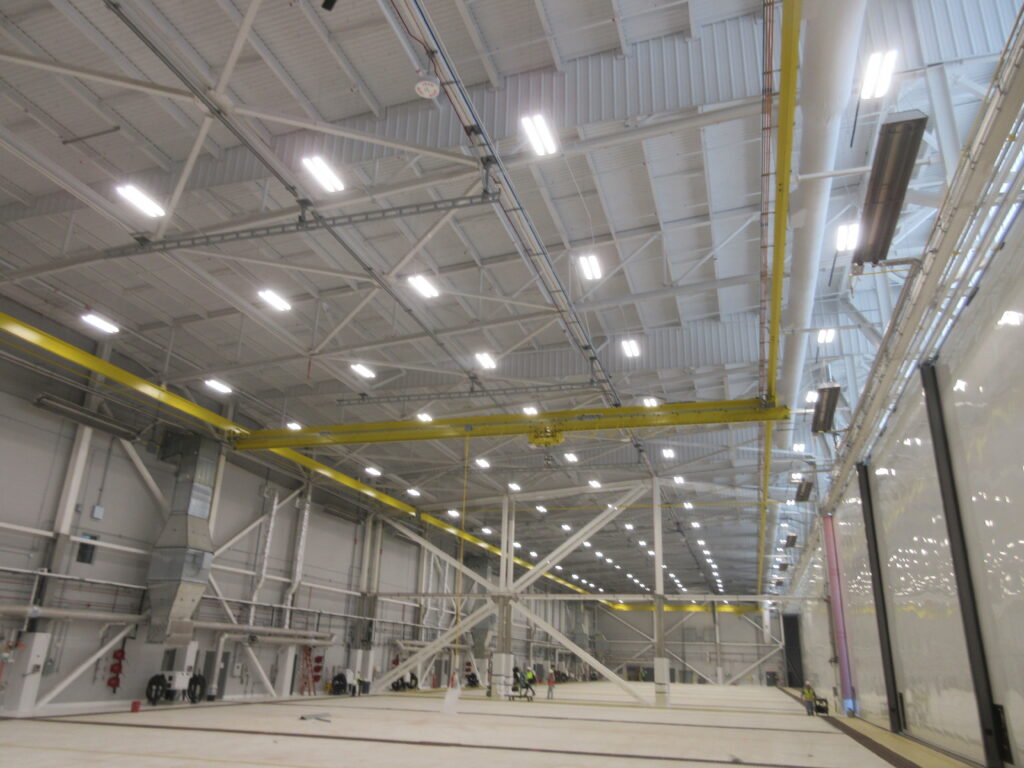
Flammable commodity storage requires careful evaluation of material characteristics, storage configuration, fire protection systems, and applicable code requirements to reduce the risk of fire growth, smoke development, explosion, and business interruption. Michael Baker provides fire protection engineering support for facilities storing flammable and combustible commodities, helping owners and project teams assess storage conditions and develop practical, code-compliant protection strategies for new construction, facility modifications, and existing operations.
Our engineers evaluate the factors that influence fire and life safety performance in flammable storage environments, including commodity classification, container type, storage height, storage arrangement, separation distances, spill control, secondary containment, ventilation, ignition source control, and suppression strategy. We work closely with owners, architects, process engineers, and other stakeholders to identify applicable requirements under the IBC, IFC, NFPA standards, FM Global criteria, and other project-specific codes and standards. This coordination helps align fire protection design with operational needs, facility constraints, and regulatory expectations early in the project.
Our services support the planning, design, and evaluation of flammable liquid storage areas, hazardous material storage rooms, process support spaces, and other specialized storage environments. Evaluations may include code compliance reviews, hazard classification support, fire suppression and detection criteria development, water supply considerations, and technical documentation to support permitting and AHJ coordination. For existing facilities, we assess current storage conditions, identify deficiencies or changes in hazard, and recommend practical improvements that enhance safety and support continued operations.
By combining code knowledge, fire protection engineering analysis, and an understanding of industrial and facility operations, we help clients develop flammable commodity storage solutions that reduce risk, improve regulatory coordination, and support safe, reliable, and efficient facility performance.
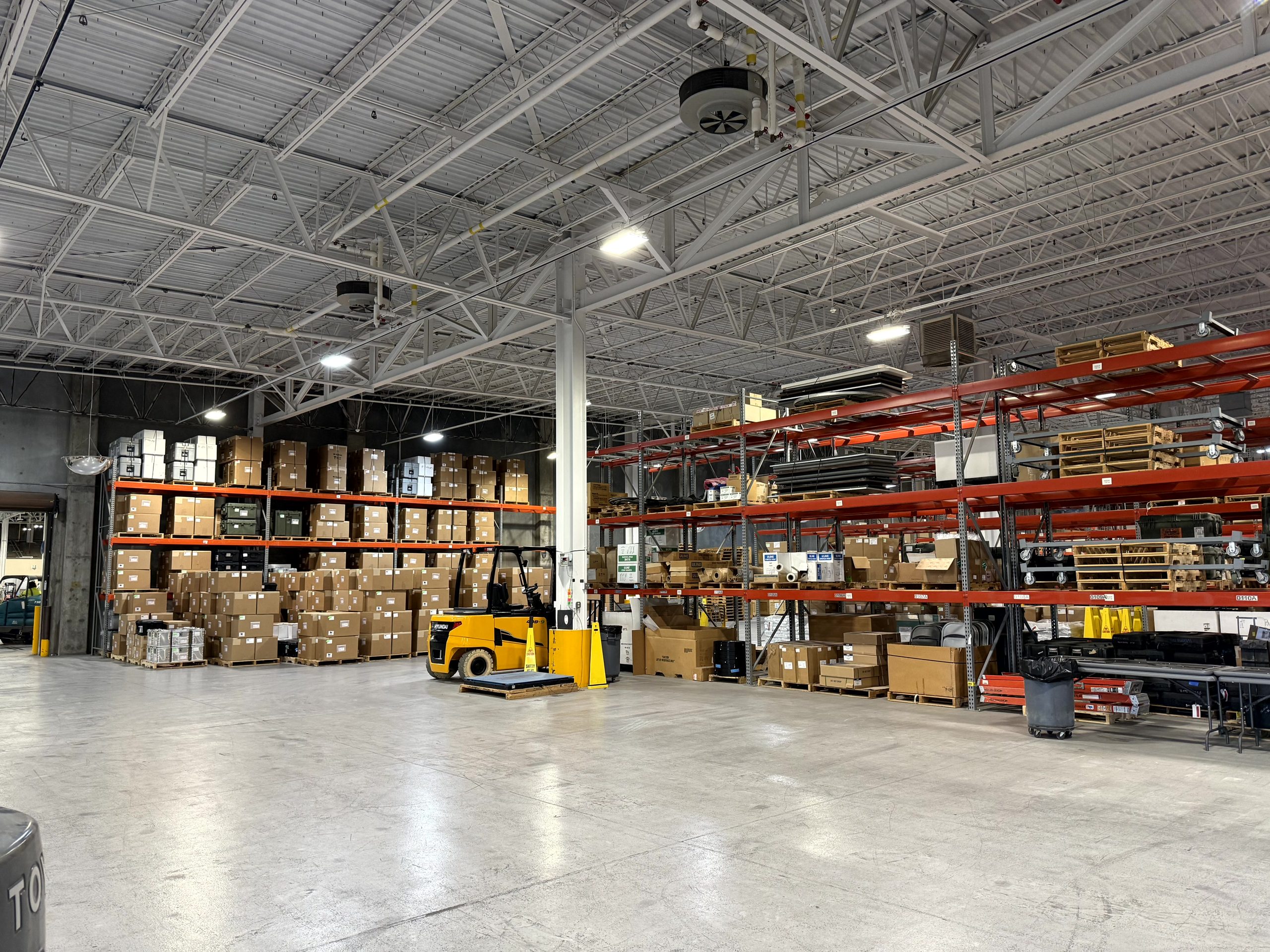
Warehouse fire protection systems design requires a comprehensive understanding of storage arrangements, commodity classifications, building characteristics, and operational demands. Michael Baker provides fire protection engineering services for warehouse and distribution facilities, helping clients design and evaluate fire protection and life safety systems for new buildings, facility expansions, tenant improvements, storage reconfigurations, and existing facility assessments.
Warehouse environments often present complex fire protection challenges due to large building footprints, high-piled storage, rack storage, varying ceiling heights, changing commodity types, and increasing use of automation. Our engineers evaluate these factors to determine appropriate fire protection strategies, including sprinkler system design criteria, fire alarm and detection requirements, water supply adequacy, fire pump needs, and coordination with architectural, structural, and mechanical systems. We work with owners, architects, developers, and project teams to develop practical solutions that align with applicable codes, standards, and facility operations.
Our services include warehouse fire protection design for conventional storage, rack storage, and other high-challenge storage configurations where commodity classification, storage height, aisle arrangement, and building features directly affect system performance and code compliance. We provide technical evaluations, design criteria development, code compliance reviews, and engineering documentation to support permitting, design coordination, and AHJ review. For existing facilities, we assess changes in storage conditions, occupancy use, or operational layout that may affect the adequacy of the existing fire protection systems.
With experience supporting industrial, logistics, and mission-critical facilities, we understand the importance of balancing life safety, property protection, business continuity, and operational flexibility. Our objective is to deliver warehouse fire protection solutions that are technically sound, code-compliant, and aligned with each client’s current and future operational needs.
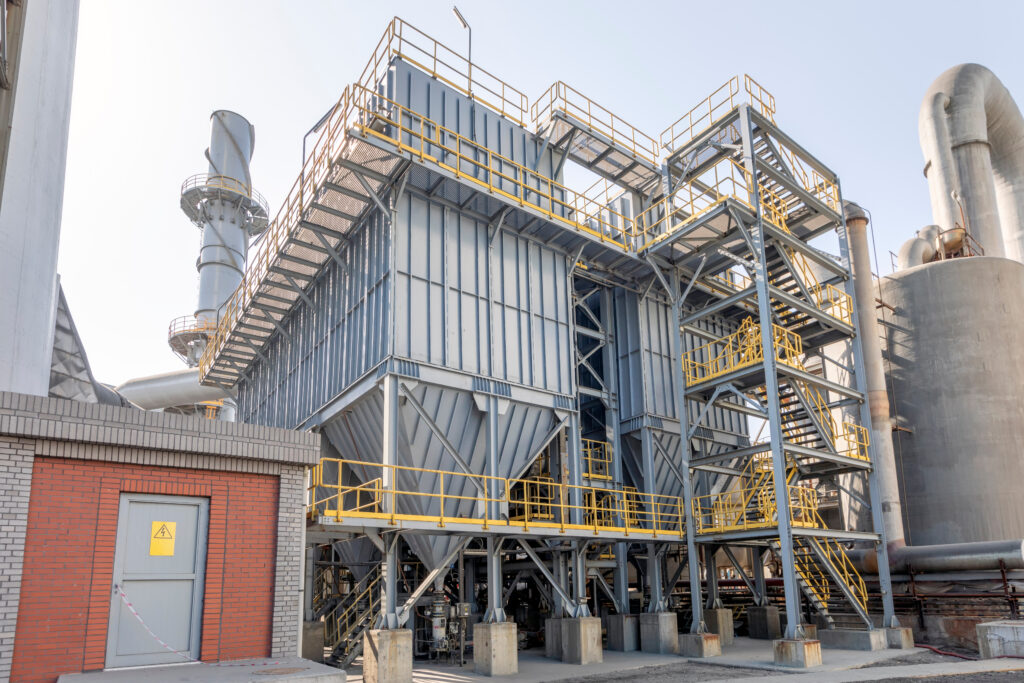
Our Industrial and Process Safety (IPS) practice evaluates combustible dust, process hazards, and hazardous materials inventories to reduce fire, explosion, and toxic-release risks that can affect people, assets, and continuity of operations. We perform Dust Hazard Analyses (DHA), Process Hazard Analyses (PHA) – including HAZOP, What‑If, and LOPA – and comprehensive Hazardous Materials Inventory Evaluations (HMIE) to identify ignition sources, dust accumulation pathways, reactive chemistries, and escalation scenarios.
With close coordination with Engineers and operations personnel, we quantify consequence and likelihood, map vulnerabilities to NFPA, OSHA, and applicable codes, and recommend layered mitigations: engineering controls (ventilation, dust collection, grounding/bonding), isolation and suppression systems, housekeeping and maintenance protocols, process changes, and emergency response upgrades. Our approach emphasizes practical, operations aligned solutions that lower risk while controlling cost and downtime.
Deliverables include a risk ranked findings report with annotated process flow diagrams, mitigation options, equipment and specification guidance, capital and O&M cost opinions, implementation phasing, and operator training materials. We also support design review, AHJ coordination, and compliance documentation to streamline approvals.
Whether you are designing new processes, retrofitting legacy equipment, or responding to a Facility Conditions Assessment, our IPS services help owners make defensible and code consistent decisions that protect people, property, and production. Contact us to schedule a scoping workshop or request a sample DHA/PHA report.
