Get in Touch
Contact Us
Kevin Spangler, P.E.
Engineering Lead, Fire Protection
Josh Sprowls, P.E., S.E., PMP
Practice Executive, Engineering


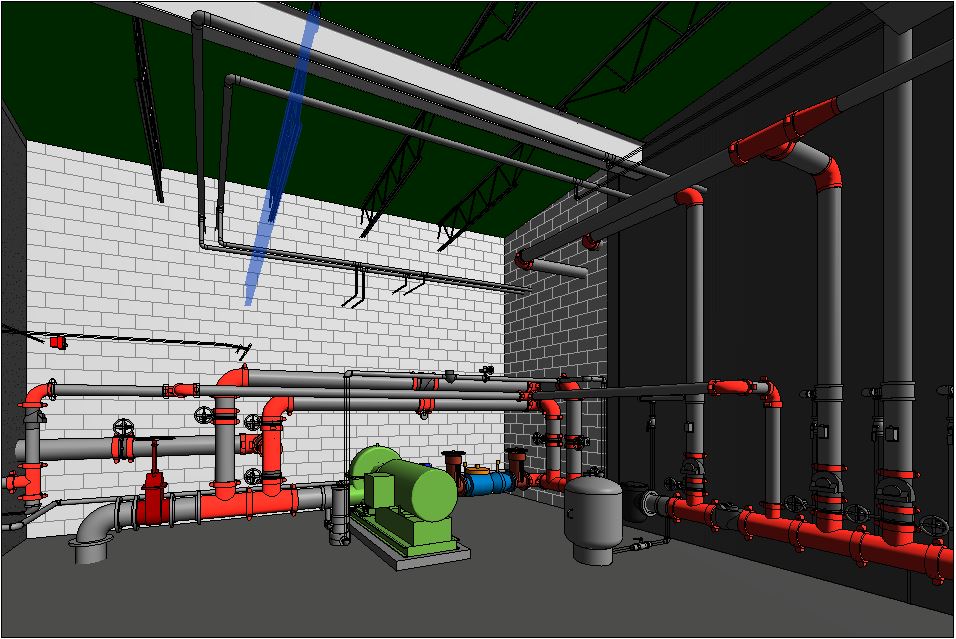
Our Fire Protection Design Services deliver innovative, code-compliant fire and life safety solutions that protect people, assets, and operations. Combining system design, advanced modeling, and BIM coordination, we help clients reduce risk, improve performance, and streamline project delivery with practical, cost-effective solutions tailored to each facility’s unique needs.
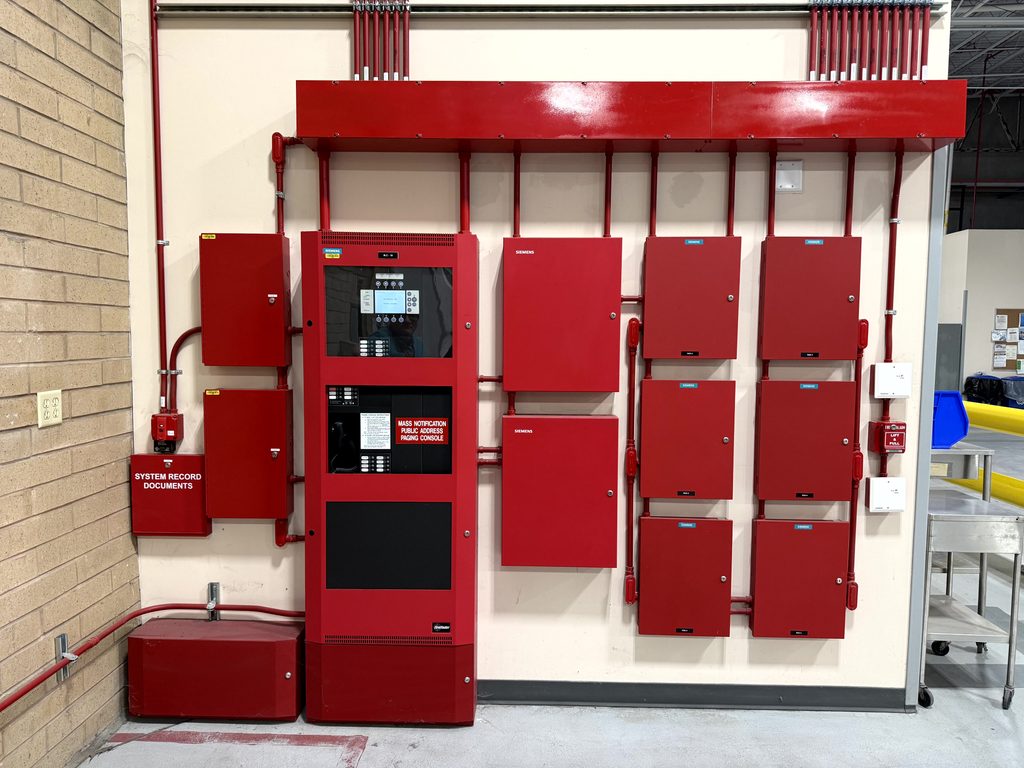
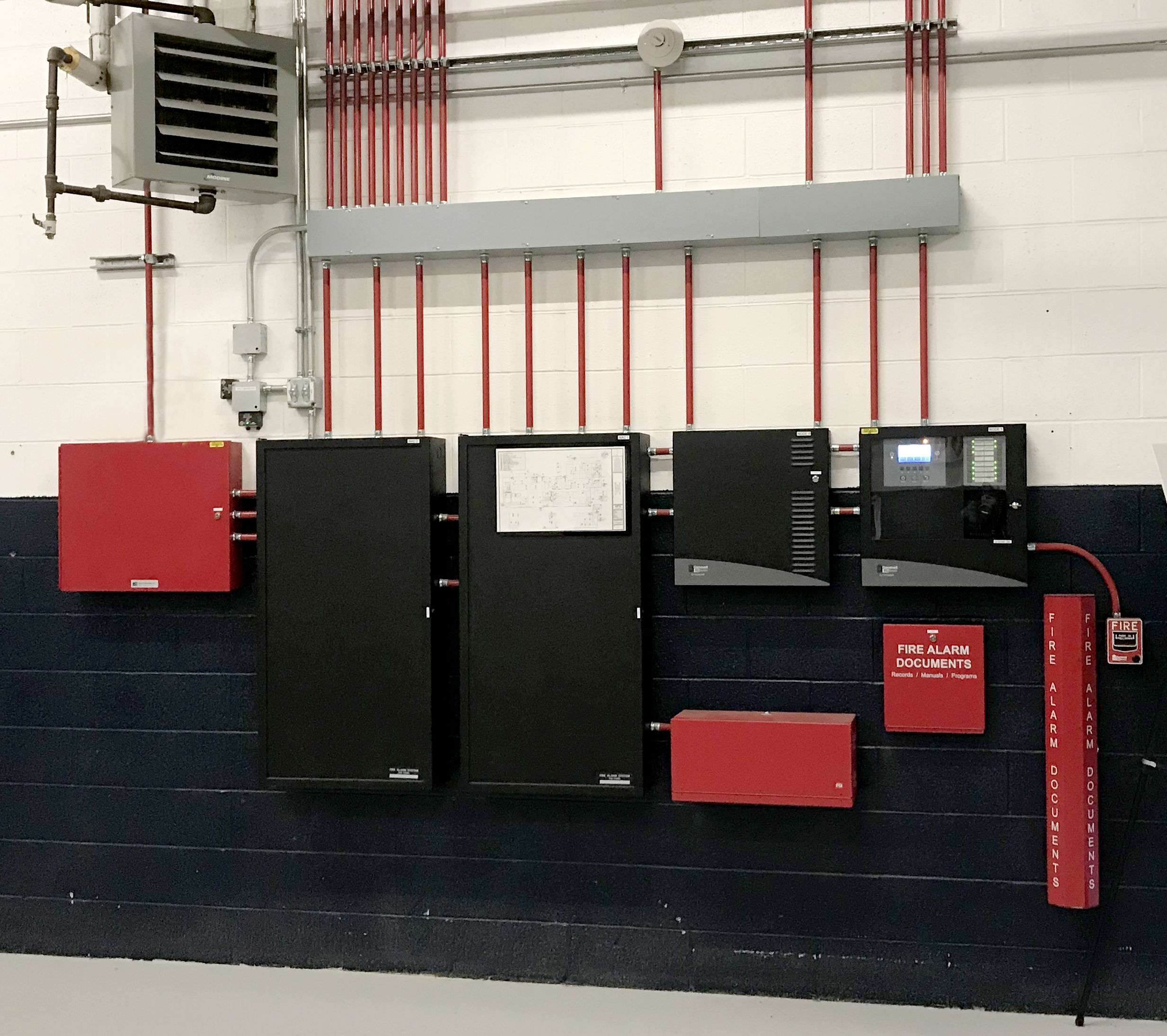
When emergency strikes, a successful fire alarm system is crucial for the protection of life and property. Our fire alarm design strategy begins alongside architects, engineers, and building owners to design a system that’s project-specific, code-compliant, and cost-effective. We use our broad experience and interdisciplinary knowledge to provide full system design, including analysis of existing building systems, fire alarm drawings, component recommendations, and additional design integrations.
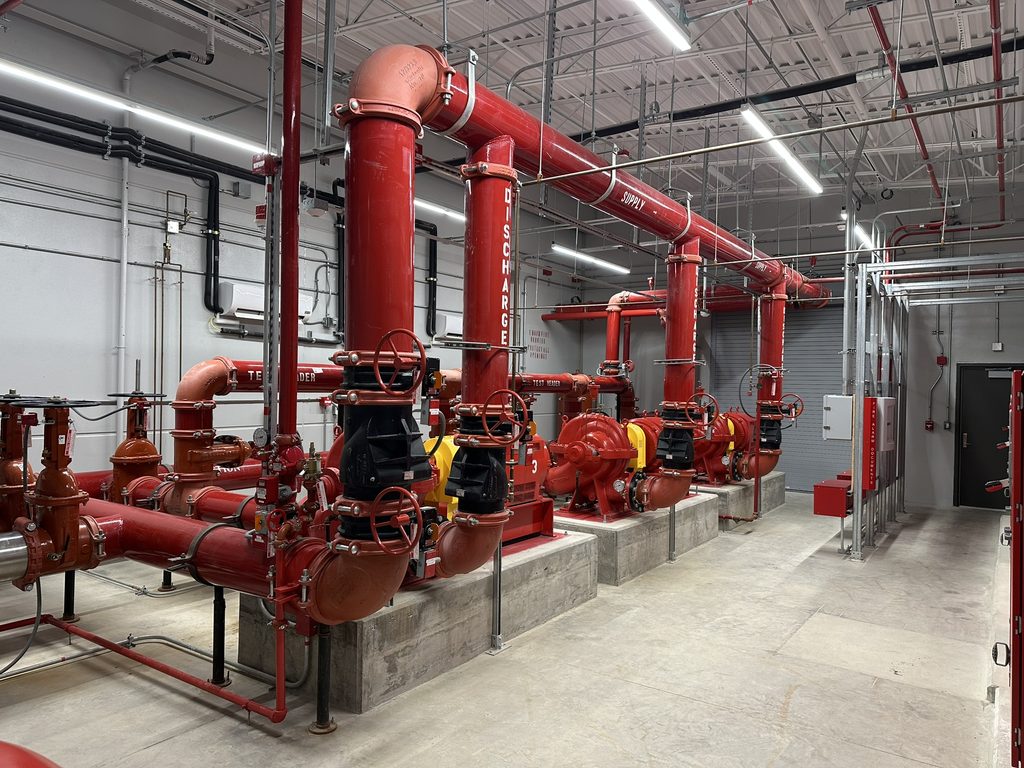
During a fire event, suppression systems can buy valuable time until help arrives, protecting people and property from significant damage. From standard wet-pipe systems to elaborate foam and clean agent systems, we design to the unique needs of each building, considering factors like applicable building codes, building type and function, and site-specific constraints.

With the right measures in place, an Emergency Communication (ECS) and Mass Notification System (MNS) can save lives. The ability to rapidly communicate threats and emergencies within and between buildings can allow emergency action to be taken quickly, safely, and effectively. When designing MNS and ECS systems, we focus on integration with fire alarm and suppression systems, device requirements, and system compatibility.
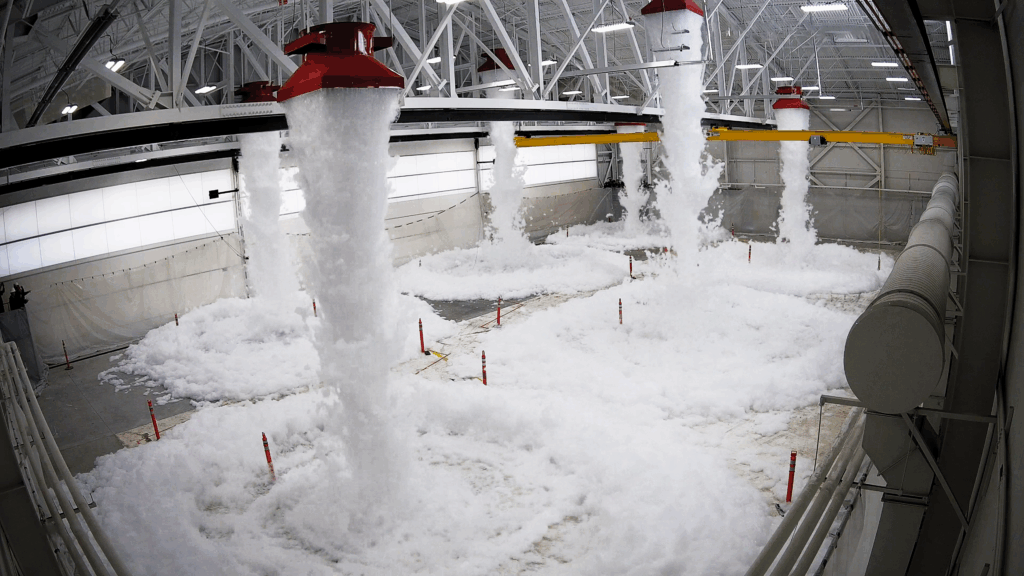
We design and evaluate alternative fire suppression solutions with water‑mist, clean agents, foam, inert gas, and hybrid systems when conventional sprinklers are impractical or pose unacceptable consequences. Our engineers perform hazard characterization, system selection, hydraulic analyses, agent quantity calculations, and ensure integration with detection and control systems. Deliverables include design drawings, specifications, calculations, and acceptance testing procedures. We coordinate with AHJs, facility operators, and contractors to ensure reliable, environmentally responsible, and cost-effective suppression strategies that protect life, critical assets, and business continuity. Contact us to scope your project and reduce downtime risks effectively.
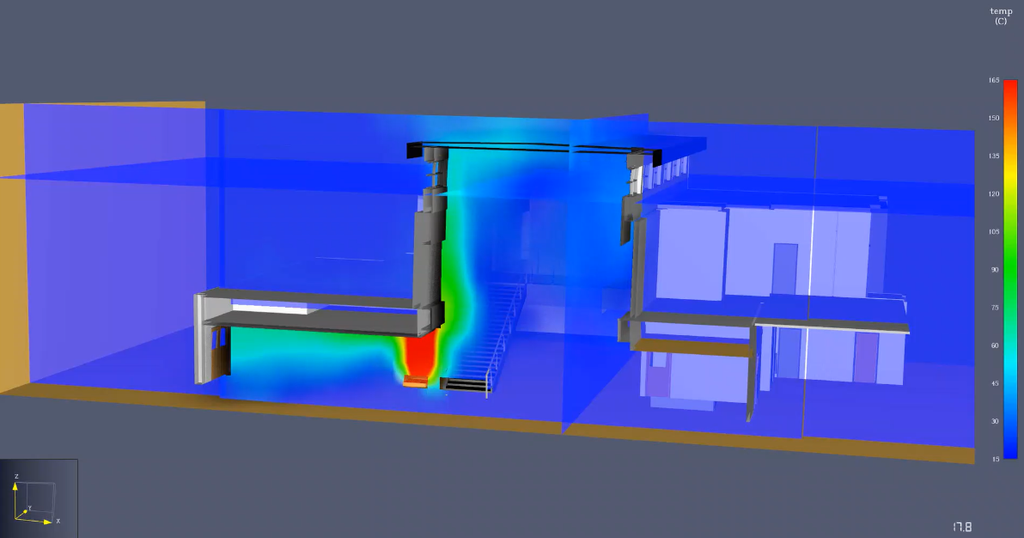
Smoke movement analysis evaluates the generation, movement, and accumulation of smoke under representative fire scenarios to better understand smoke behavior within a structure. We provide Computational Fluid Dynamics (CFD) modeling using Fire Dynamics Simulator (FDS) to predict smoke layer development, temperature distribution, visibility, and smoke migration. The analysis supports fire protection system design, life safety evaluations, code compliance, and project-specific engineering studies.
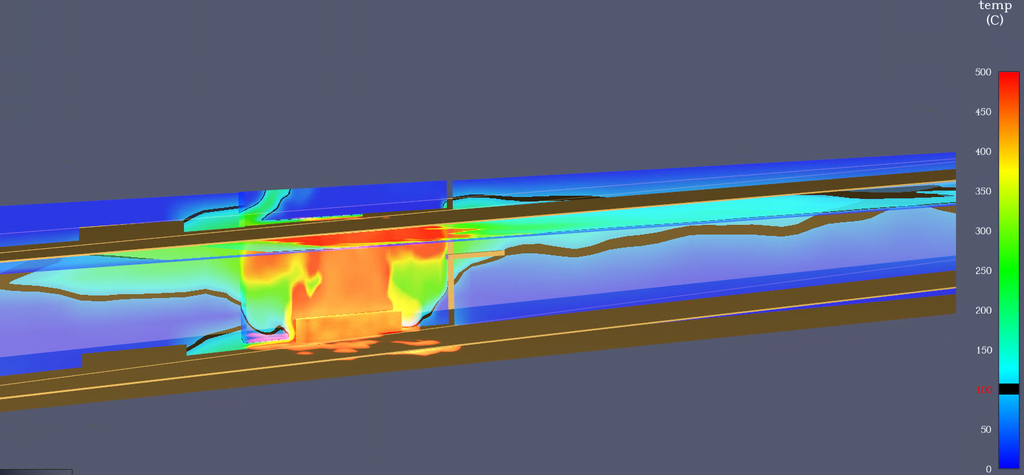
Our engineers evaluate and design ventilation and smoke-control systems to protect occupants, responders, and infrastructure during fires. We perform fire modeling and CFD to predict smoke movement, optimize fan sizing and control strategies, assess egress conditions, and verify compliance with NFPA, NCHRP, and local standards. Deliverables include scenario-based modeling results, system specifications, control logic, emergency ventilation plans, and operator guidance. We coordinate with operators, first responders, and AHJs to ensure practical, maintainable solutions that minimize smoke exposure and support safe evacuation and firefighting.
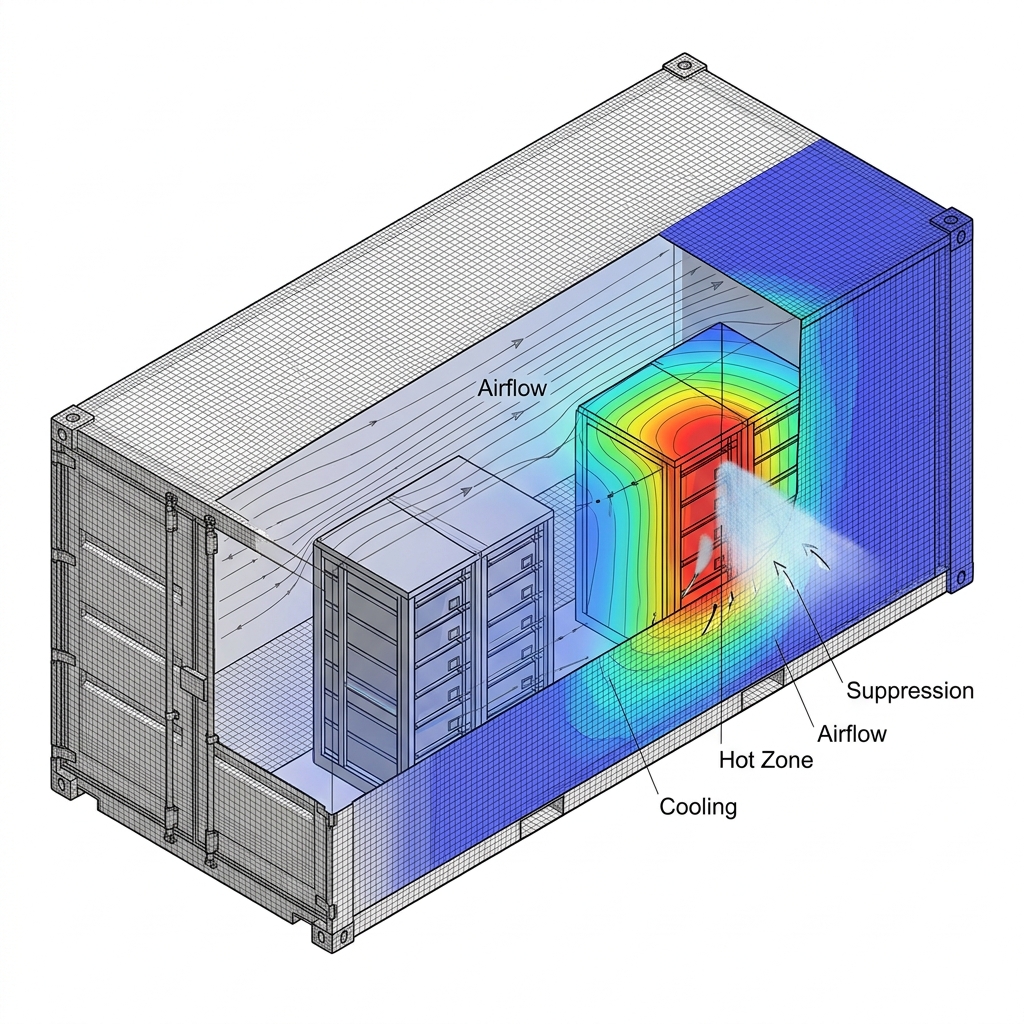
Heat transfer analysis evaluates the thermal response of structural elements, building components, and equipment exposed to fire conditions. We provide Fire Dynamics Simulator (FDS) modeling to predict heat transfer through convection and radiation, supporting assessments of temperature development and thermal exposure. The analysis provides engineering data for fire protection system design, performance evaluations, and project-specific fire engineering studies.
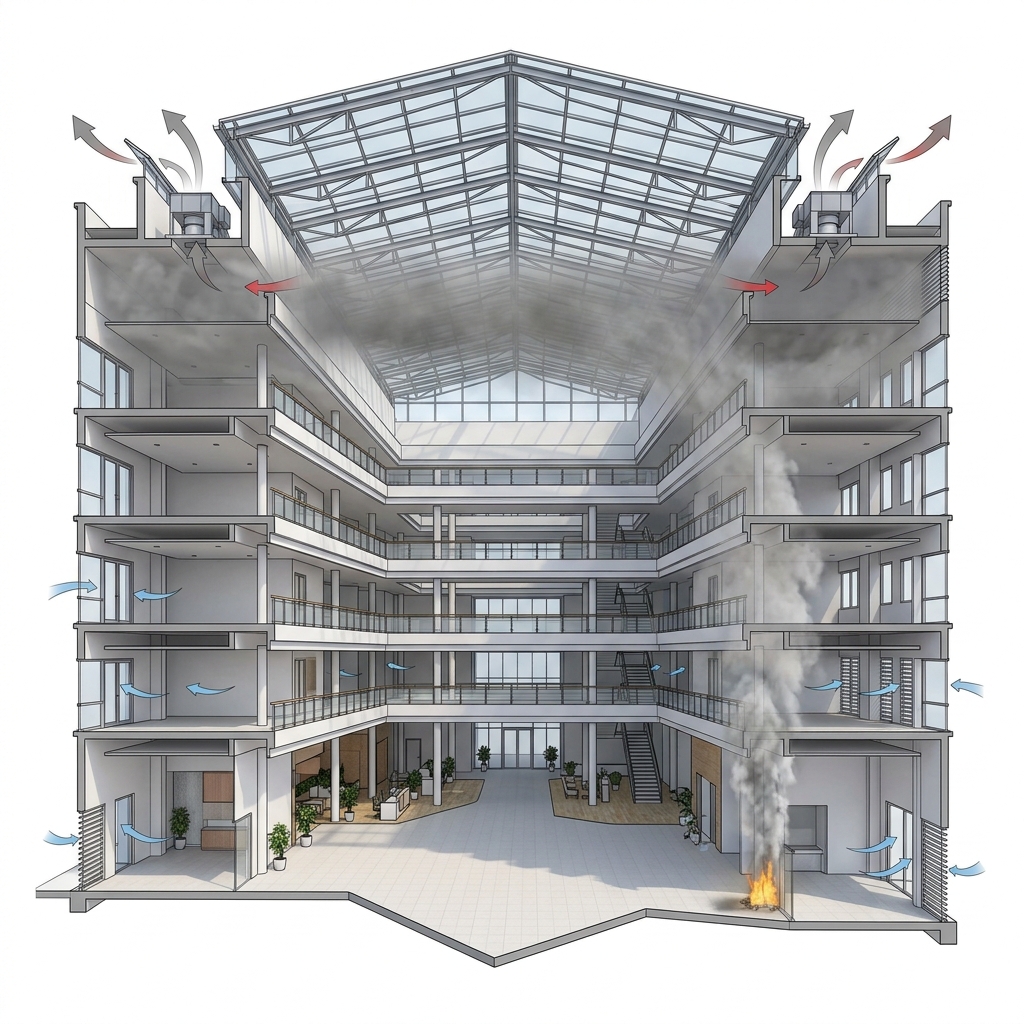
Smoke control analysis evaluates the performance of mechanical and natural smoke management systems during fire events to determine their effectiveness in controlling smoke movement. We provide Fire Dynamics Simulator (FDS) modeling to assess smoke exhaust performance, airflow patterns, pressure relationships, and smoke containment under representative fire scenarios. The results support smoke control system design, performance verification, and code review.
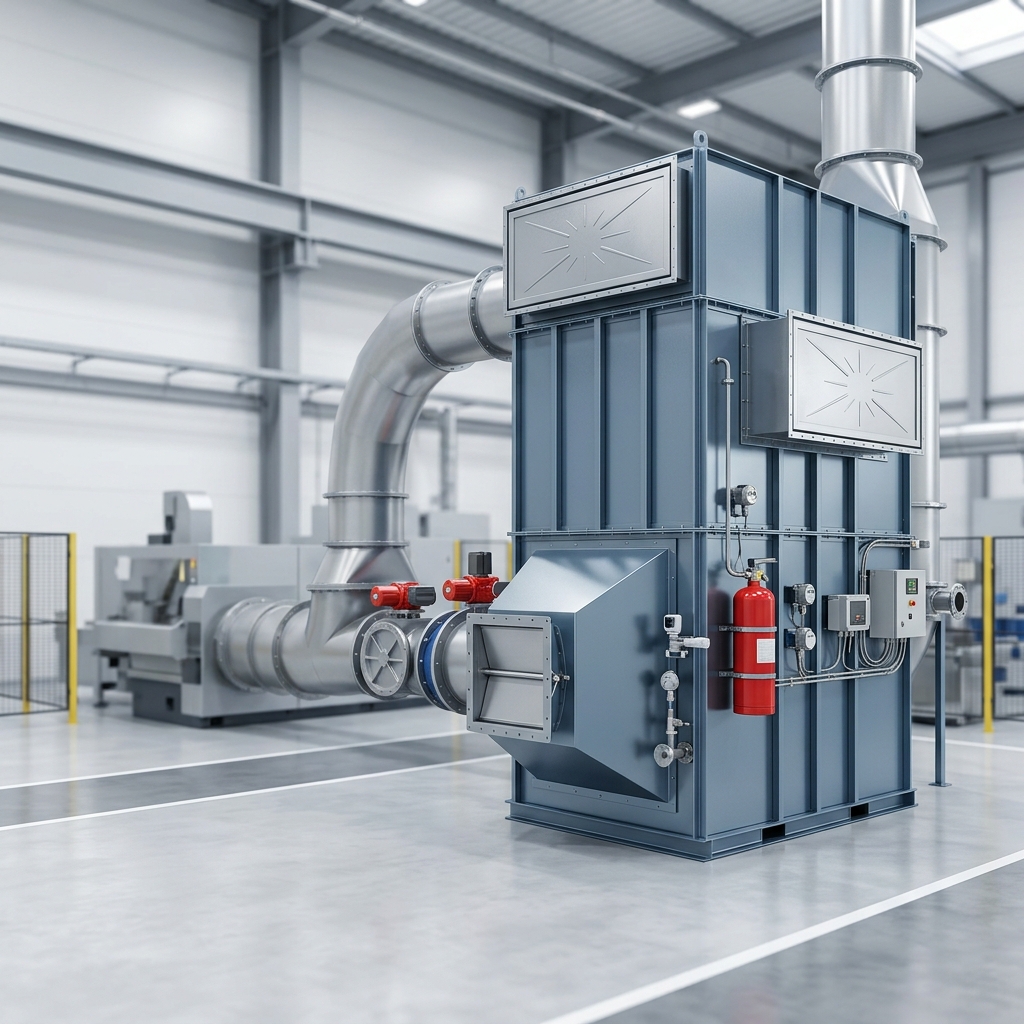
Our Explosion Protection service designs and verifies deflagration mitigation strategies in accordance with NFPA 68 and NFPA 69. We conduct dust and gas explosion hazard evaluations, sizing and locating rupture vents, designing suppression and isolation systems, and specifying instrumentation and control logic. Deliverables include engineering analyses, performance calculations, venting and suppression specifications, layout drawings, testing protocols, inspection and maintenance plans, and AHJ submittal packages. We integrate findings with PHAs and facility operations to minimize escalation and downtime while meeting code requirements.
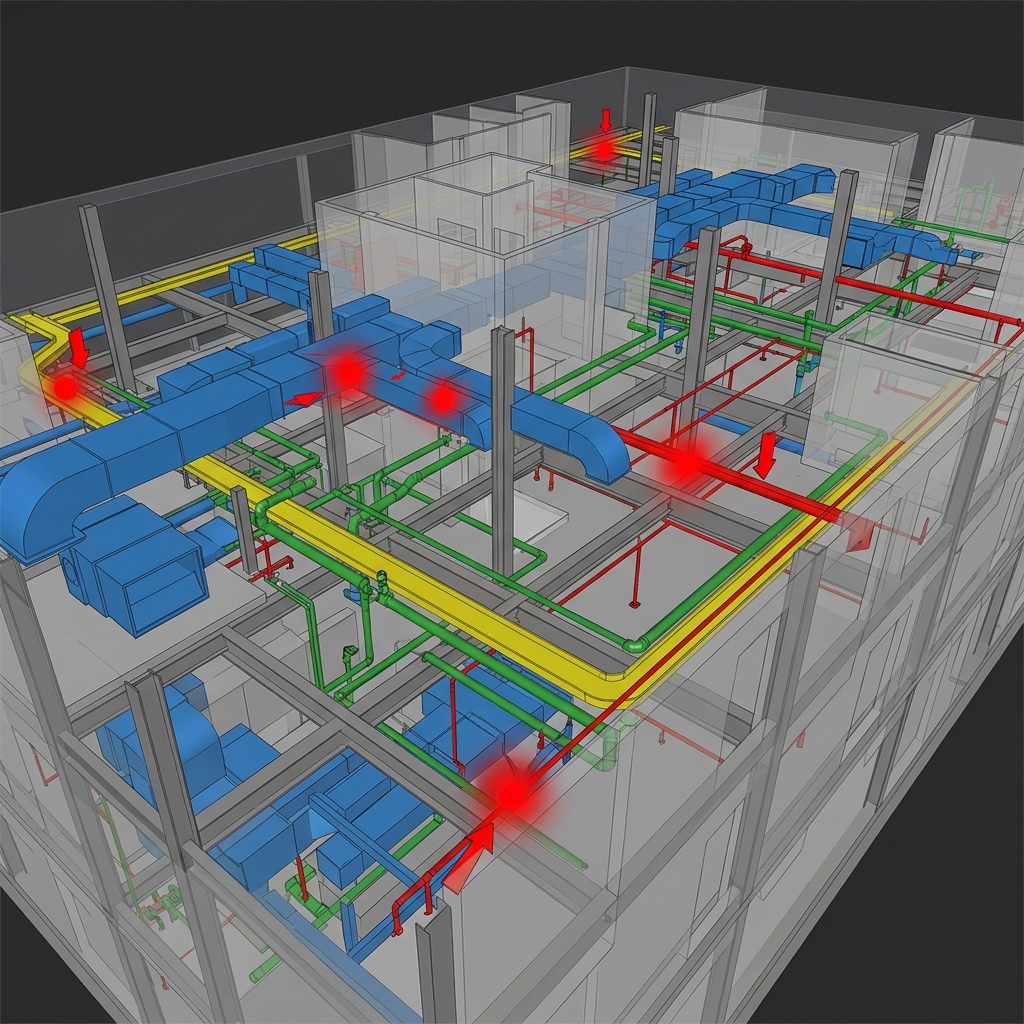
Our BIM Modeling, Clash Detection, and Multi-Discipline Coordination service improves the accuracy, constructability, and efficiency of fire protection and life safety system design. We develop intelligent 3D models for sprinkler, standpipe, fire alarm, and special hazard systems, coordinated with architectural, structural, mechanical, electrical, and plumbing models. Using clash detection and coordinated review workflows, we identify conflicts early, reduce field changes, and support smoother installation. Deliverables include coordinated BIM models, clash reports, layout recommendations, and construction-ready documentation. We work closely with designers, contractors, and owners to deliver code-compliant, space-efficient, and installation-friendly solutions that support schedule, budget, and long-term facility performance.
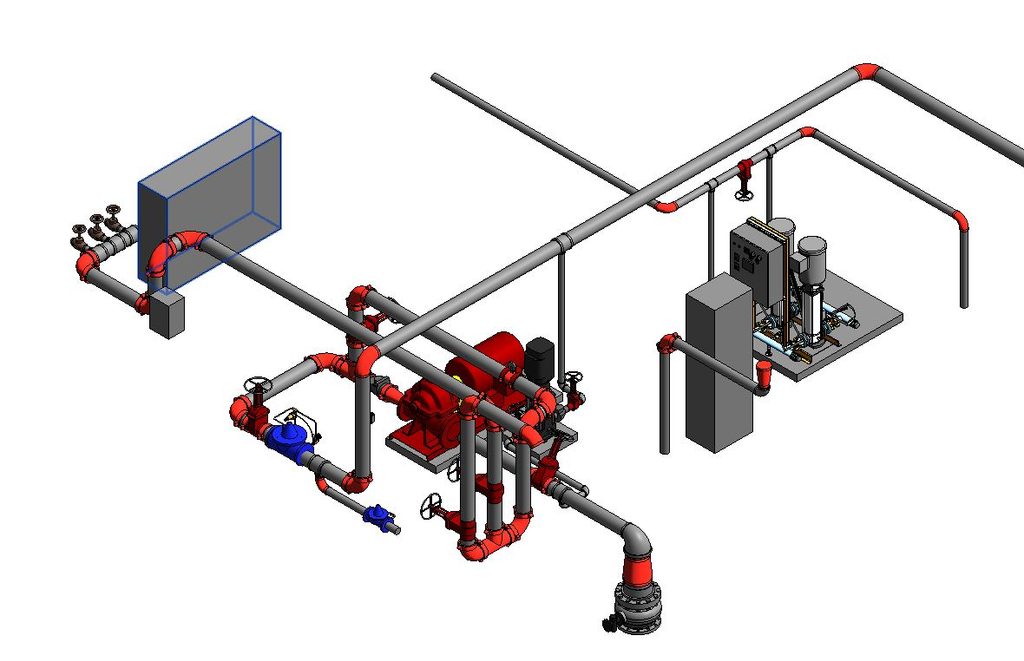
Our team delivers fire protection and life safety designs using Revit, AutoCAD, and MicroStation to support a wide range of project requirements, client standards, and delivery platforms. We develop accurate models and construction documents for sprinkler, standpipe, fire alarm, smoke control, and special hazard systems while coordinating seamlessly with architectural, structural, and MEP disciplines. Our software capability enables efficient design development, BIM coordination, clash detection, system layout, and records drawing updates across new construction and existing facilities. Whether a project requires 2D drafting or advanced 3D modeling, we provide flexible, high-quality documentation that supports compliance, constructability, and successful project delivery.
