



Home Services Artificial Intelligence

Artificial Intelligence

Delivering Value Through Technology

At Michael Baker, we harness the power of Artificial Intelligence (AI) and Machine Learning (ML) to revolutionize project delivery. Our Data, Automation & Analytics (DAA) team blends deep engineering expertise with advanced data science to create smarter, faster and more efficient solutions. By applying open science principles and emerging technologies, our growing team of scientific programmers transform traditional workflows into intelligent systems that predict outcomes, optimize resources and automate repetitive tasks.

From water and transportation to planning and bridge design, we apply AI/ML capabilities to unlock new insights, enhance decision-making and reduce risk.

Our Expertise

Capabilities

Machine Learning

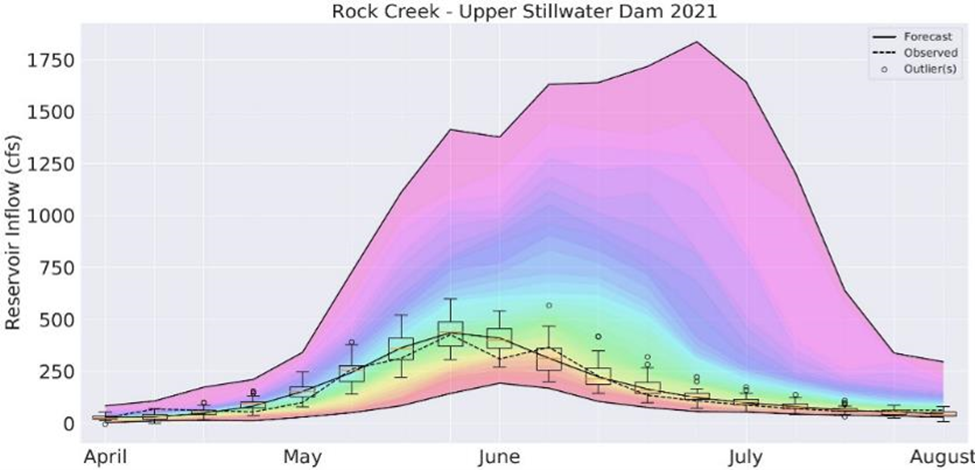
The development of machine learning models for future predictions, label classification, and anomaly identification is a powerful tool to unlock the value of data. The development of these models requires a deep understanding of the underlying data, the problem to be solved and the tools available. Our team can help you develop the right model for your needs. We can also help you deploy and maintain these models in a production environment.

Computer Vision

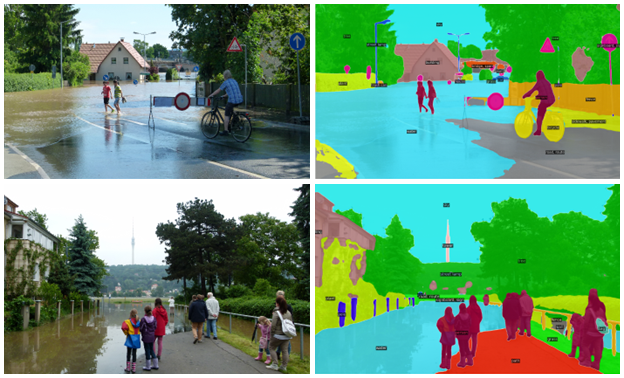
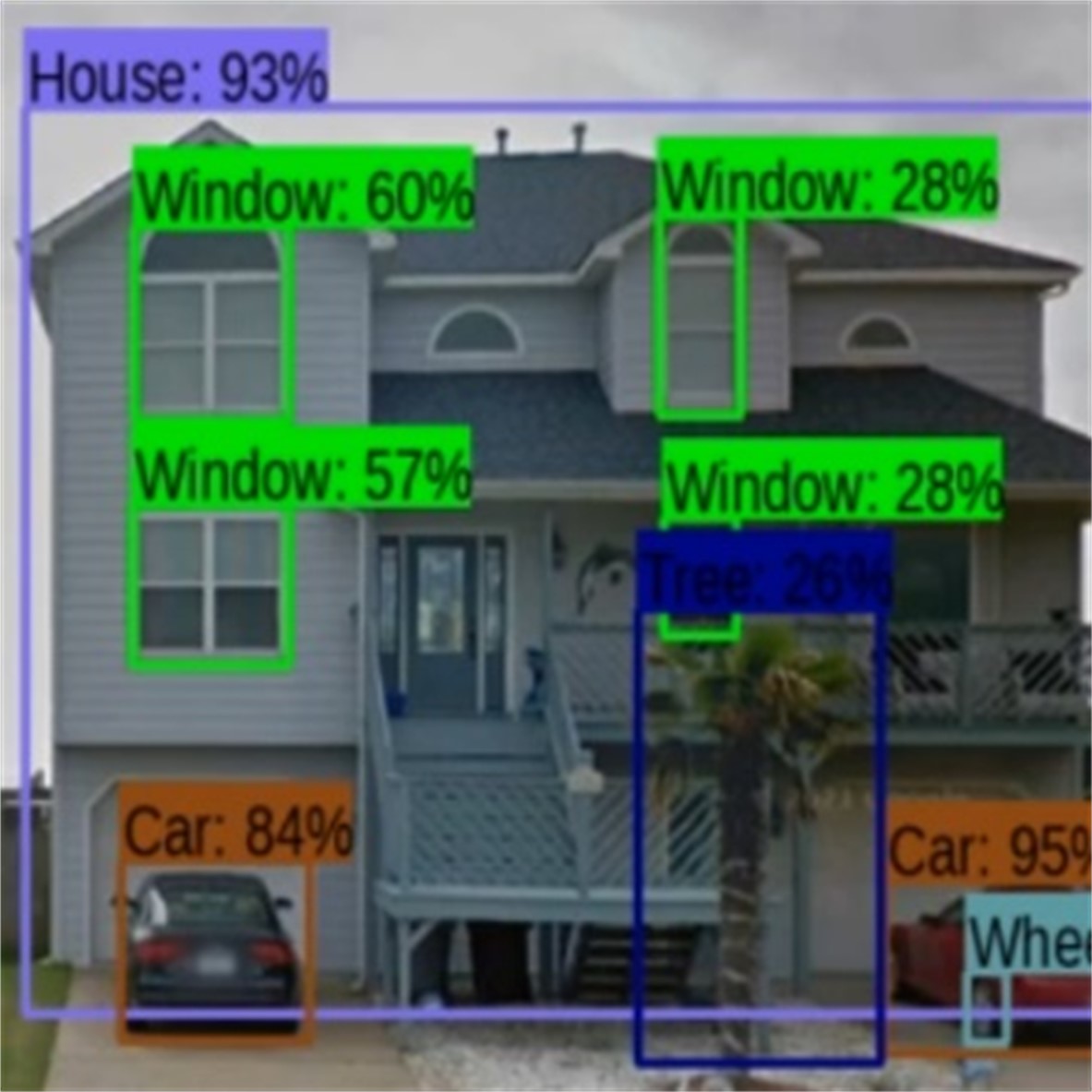
As imagery and video become ubiquitous, the ability to efficiently and rapidly extract actionable information from pixels becomes a must. The development of AI-powered vision models can unlock the value latent in existing and new imagery data sources. Applications include regulatory compliance, task prioritization, hazard identification, asset attribution and anomaly detection.

Data Analytics

The volume of data available to describe both natural and built environments is expanding at an exponential pace. Relying on off-the-shelf datasets is no longer sufficient to deliver optimal solutions within the constraints of time, budget, and resources. Advancements in data fusion techniques—paired with robust analytics—offer the most effective way to transform information overload into actionable insights. From raw terrain to processed landscapes, there is a wealth of knowledge waiting to be inferred and extracted.

Earth Analytics

The amount of available data to describe the natural and built environment is growing at an exponential rate. Gone are the days when off-the-shelf datasets will yield the optimal answers to questions constrained by time, money and human resources. The development of data fusion methods and the analytics to support them are the best way to turn information overload into actionable insights. A lot can be inferred and extracted from raw and processed terrain.

AI-Empowered Object Detection and Classification

As imagery and video become ubiquitous, the ability to efficiently and rapidly extract actionable information from pixels becomes a must. The development of AI-powered vision models can unlock the value latent in existing and new imagery data sources. Applications include regulatory compliance, task prioritization, hazard identification, asset attribution and anomaly detection.

Remote Sensing + AI Enabled Change Detection

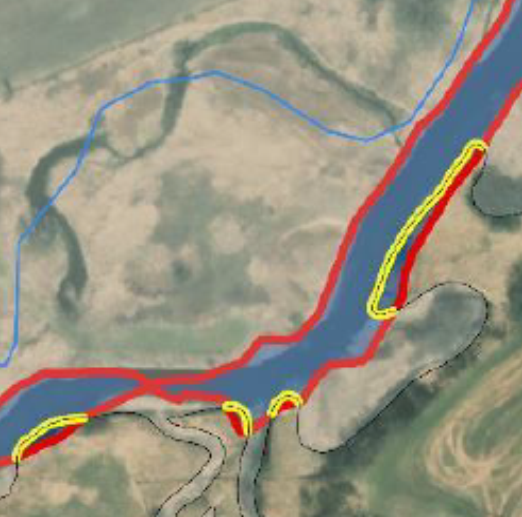
The geographic scale and rate of change for modern asset portfolios require novel methods to maintain awareness of when and where to prioritize staff attention. Remote sensing solutions paired with AI provide the ability to rapidly and repeatedly assess current conditions, trends and important thresholds for application, such as maintenance prioritization, capital expenditure decisions and hazard identification.

Image Classification + Land Cover

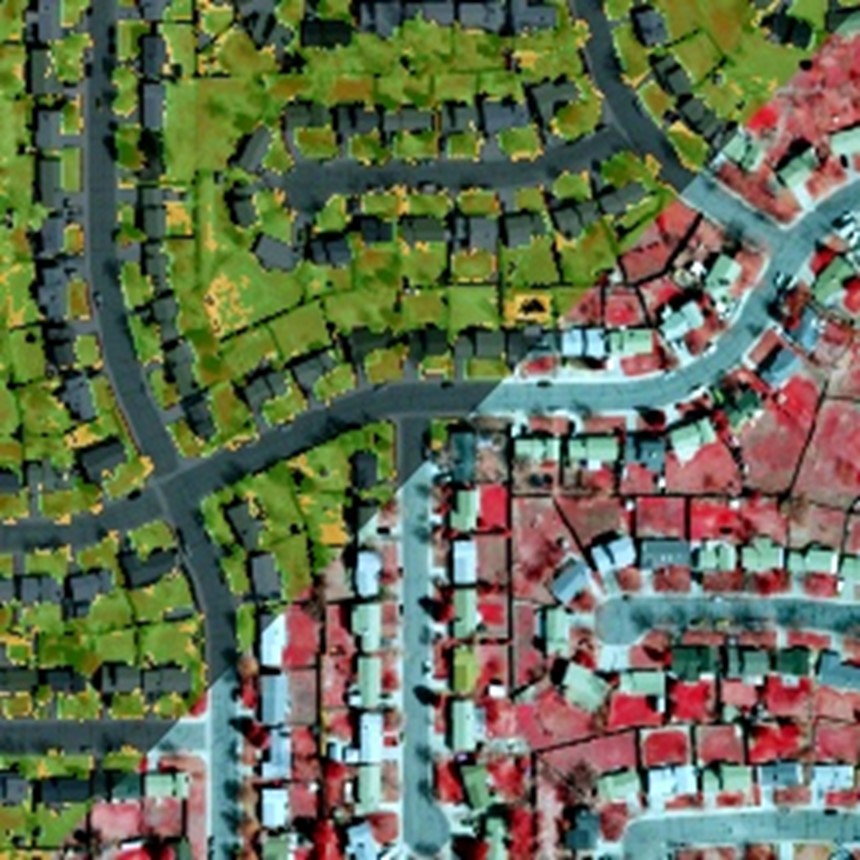
With the quantity and resolution of imagery available (free and for purchase), datasets and layers can be extracted through various processes (e.g., convolutional neural networks [CNN] and semantic segmentation). Our team has developed automated workflows that process tiled imagery in batches for assessing land cover, roughness values, infiltration and vegetation classification.

Performance-Based Asset Analytics

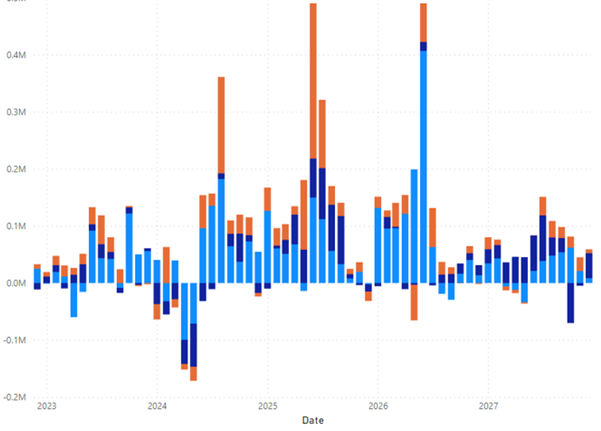
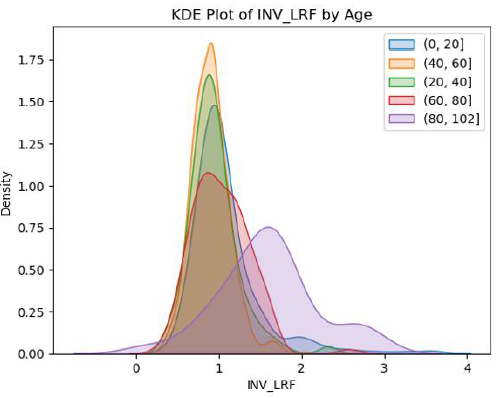
Cadence-based approaches to asset management have been the standard for decades. However, performance-based analytics can more accurately identify maintenance needs, unseen hazards and asset conditions than simple calendar-based approaches. Combining domain expertise, data science approaches and strong collaboration between partners can yield measurable improvements in the key performance indicators that matter.

Future Climate Analysis

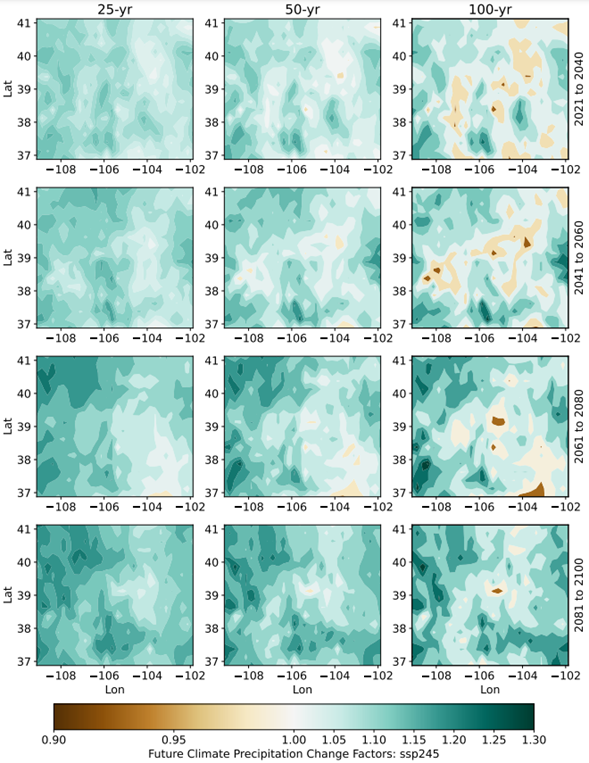
With design life spans ranging from 30-75 years, civil infrastructure investments are expected to pass the test of time. However, non-stationary climate trends are disrupting standard practices that use historic records to predict future design parameters. To support community resilience and future-ready infrastructure, our team has leveraged the latest CMIP 6 climate models, streamlined the big data bottlenecks, and distilled complex data into actionable guidance.

Project Dashboards and Interfaces

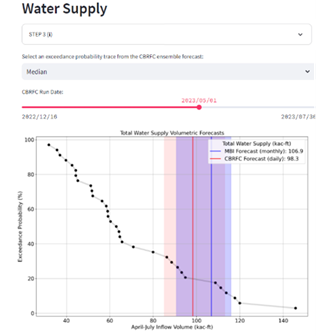
For complex analytics and automation projects to reach their full potential, end users must be able to readily access authoritative information, interrogate the data, and decipher a data-driven path forward. Our team has years of experience building both desktop and web-based user interfaces and dashboards. Your cloud or ours, turn-key products or staff augmentation, ArcGIS Online or any number of alternatives – we can tailor the results to each organization’s specific needs. 

Custom Tools and Automated Workflows

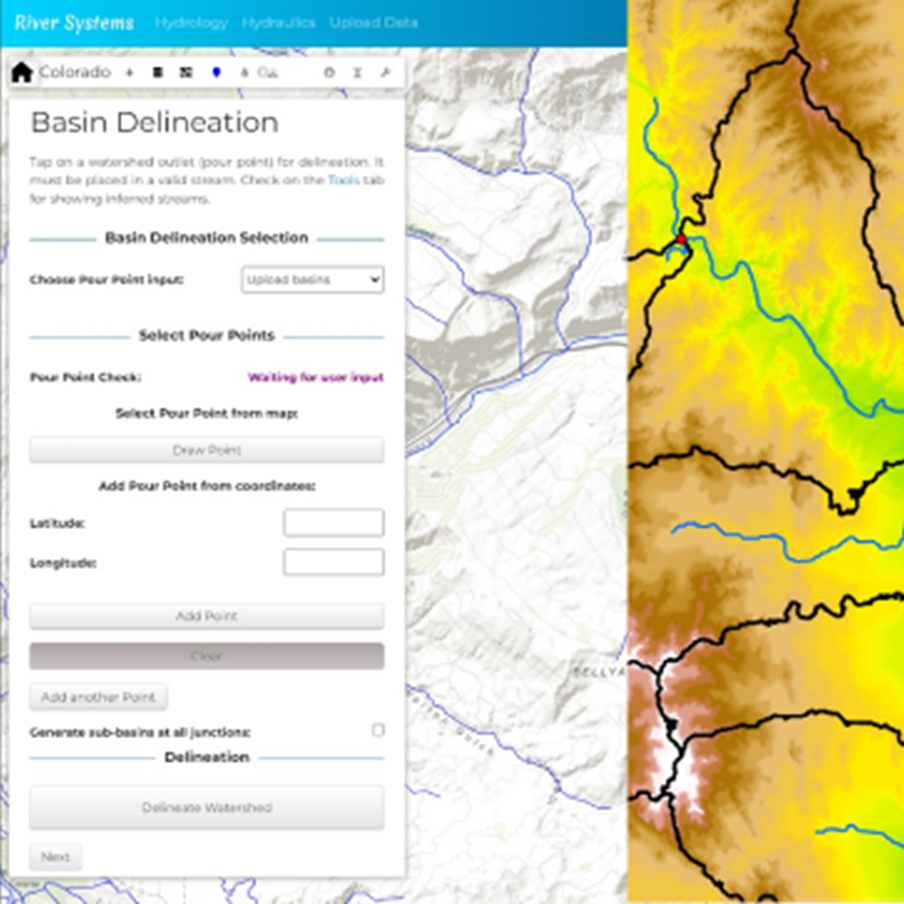
As engineering organizations move along the maturity curve of the digital transformation, developing custom tools and workflows offers the promises of reduced friction, higher fidelity data, scaling institutional knowledge and other benefits. However, the experience of building tools but not being able to reliably share them with the organization is common. Our team can advise on best practices and deliver operational-ready tools to deliver on the promises of digital transformation.

Probabilistic Flood Risk Assessment (PFRA)

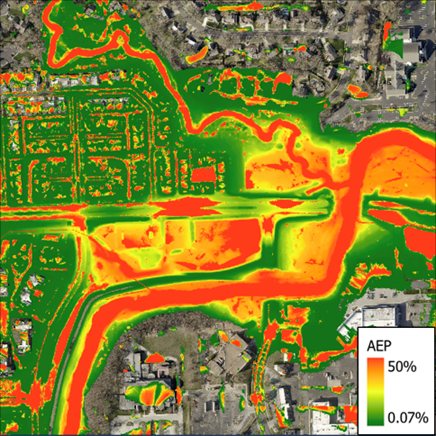
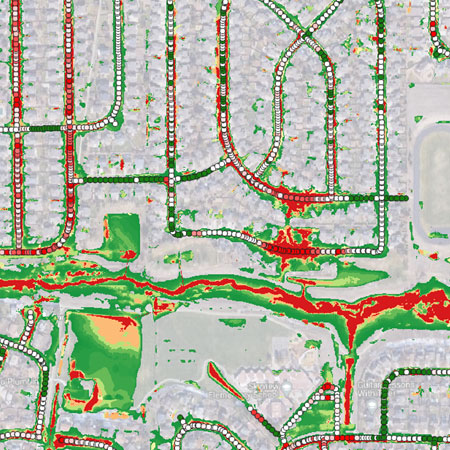
Traditional flood hazard assessment is highly uncertain because it models only a handful of annual exceedance probabilities. Leveraging statistical analysis and cloud computing, our process samples thousands of storm events representing a range of frequencies, distributions and durations to be simulated in detailed, 2D rain-on-mesh models. Graduated hazard data and average annual losses are produced across the entire watershed to help prioritize flood mitigation strategies.

Web Scraping

We can parse through the code on web pages to identify relevant information, extract datasets and perform analytics. Let us know what you’re trying to achieve, and we can build a custom crawler for you.

The team at Michael Baker is first class, at the leading edge of supporting regional government agencies like ours to keep up with the rapidly changing digital environment. They have both the technical engineering expertise as well as the technological expertise to bridge the very challenging gap between engineering and the rapid deployment of useful technologies.

Mile High Flood District